Could you trade long drives for lakefront sunsets and coffee on the Capitol Square? If you’re curious about living in downtown Madison on the Isthmus, you’re not alone. You want a real picture of housing choices, commute options, parking, and how daily life actually feels. This guide gives you practical details, real tradeoffs, and tips to help you decide if downtown fits your lifestyle. Let’s dive in.
Downtown Madison at a glance
The Isthmus is the narrow strip of land between Lake Mendota and Lake Monona where you’ll find the Wisconsin State Capitol, State Street, and Madison’s downtown core. The area is compact and highly walkable, with a mix of civic buildings, shops, restaurants, cultural venues, and residential blocks. You’ll see people on foot and bikes year-round, with energy peaking in summer and steady activity through winter.
Public spaces anchor the neighborhood. Capitol Square hosts the seasonal Dane County Farmers’ Market. State Street connects the Capitol to the UW area with a pedestrian-friendly vibe. Monona Terrace overlooks Lake Monona, while the Memorial Union Terrace brings people to the Lake Mendota shoreline. Expect frequent cultural events and festivals throughout the year.
Housing options on the Isthmus
Condos and apartments
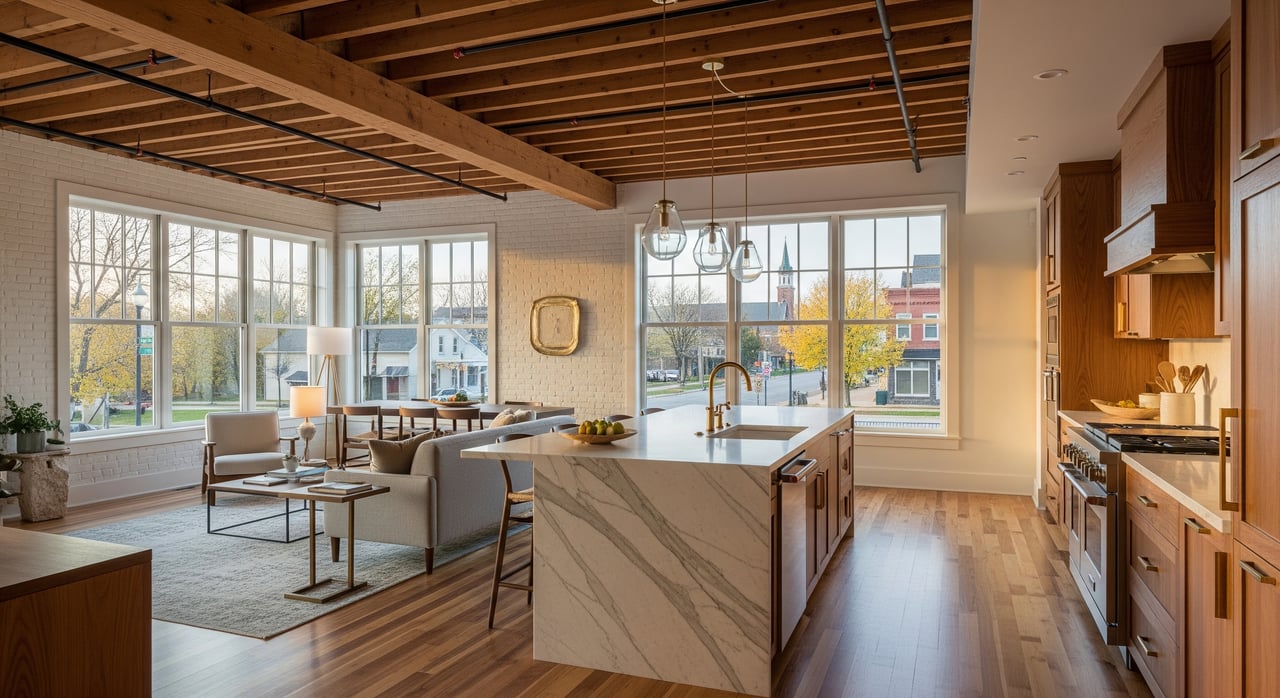
You’ll find a wide range of condos, from historic brick conversions to mid-rise buildings and newer luxury developments near the Capitol and key corridors. Many buildings offer smaller footprints that favor studios and one-bedrooms, with higher per-square-foot prices than many suburbs. The rental market is significant, driven by the university presence and the area’s walkability.
Apartments range from boutique buildings to student-focused housing closer to UW. If you prefer modern finishes, newer mixed-use projects often combine ground-floor retail with upper-floor apartments. If you love character, older buildings may offer unique layouts and details, but pay attention to building systems and maintenance history.
Townhomes and single-family homes
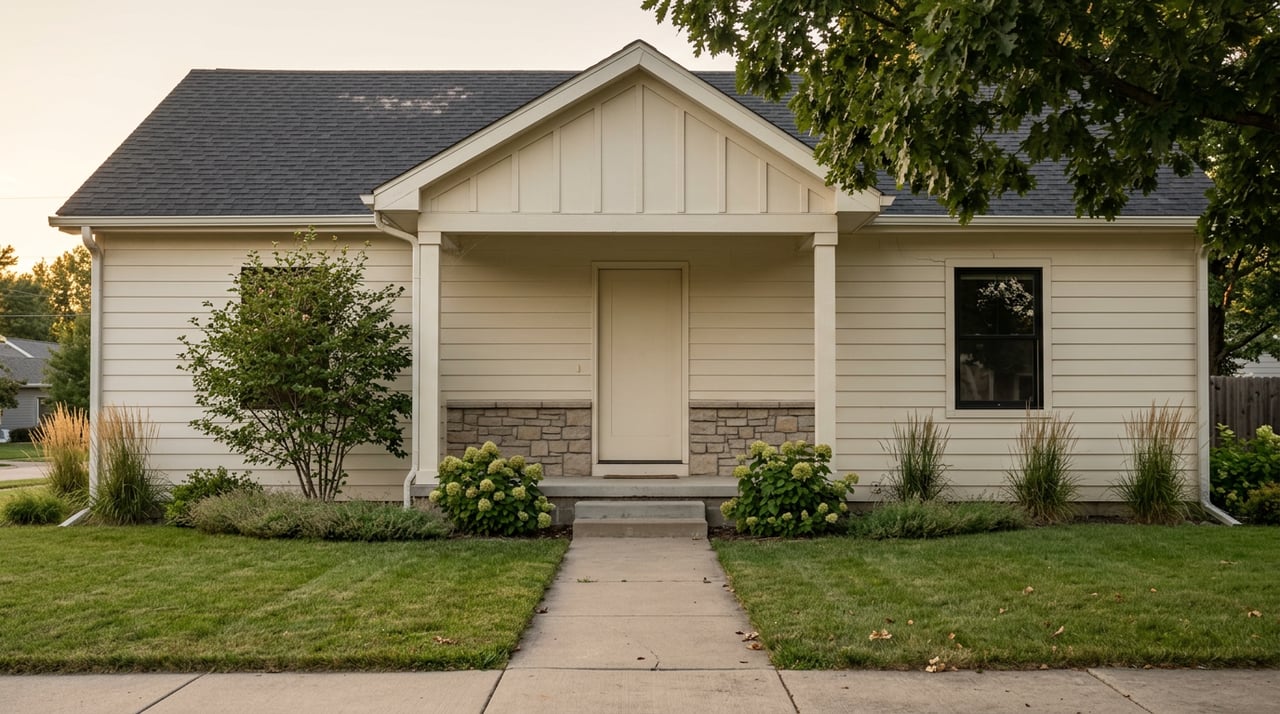
Townhomes and single-family homes are less common in the core. You’ll find more options on the fringes of the Isthmus and in adjacent neighborhoods. These homes can be a good fit if you want added space while staying close to downtown amenities.
New development trends
Infill and mixed-use development have increased over the last decade. Builders target walkable blocks near the Capitol and UW, often prioritizing modern amenities and energy-efficient construction. These projects can offer convenience, though HOA dues may be higher due to building services and amenities.
What homebuyers should know
Condo association health checklist
Before you buy, review the association’s financial and operational details. Key items to request and evaluate:
- Bylaws, reserve study, and recent budget
- Special assessment history and upcoming capital projects
- Insurance coverage and any recent claims
- Owner-occupancy rate vs investor-owned units
- Rental and sublet rules
Parking and storage questions
Parking varies by building. Some condos include a deeded stall, others offer leased spaces or rely on nearby garages. Ask how guest parking works, if there is a bike room, and whether storage lockers are included or available to rent. Clarify any deed restrictions tied to parking.
Building age and improvements
Older buildings often feature historic character along with older systems. Ask about roof age, boilers or HVAC systems, windows, elevators, and recent capital improvements. Newer buildings provide modern finishes and efficiency but can come with higher HOA dues to support amenities.
Historic districts and zoning
Some properties fall within historic districts or are subject to design review. If you plan to renovate, learn the rules that apply to exterior changes and certain materials. This helps you avoid surprises and plan realistic timelines.
Flooding and drainage
Parts of the Isthmus sit close to lake shorelines, which can mean localized flooding or high groundwater in certain spots. Review floodplain maps for any property you are considering and confirm insurance requirements. Ask about drainage, sump pumps, and any water mitigation measures in the building.
Renting basics downtown
Lease terms and flexibility
Many downtown rentals serve students and university staff. You’ll see 9 to 12-month lease options and some academic-year terms. Confirm subletting and roommate policies up front, and ask how renewals are handled.
Pets and utilities
Pet policies vary by landlord and building. Ask about deposits, monthly pet rent, and any breed or size restrictions. Clarify which utilities are included in the rent. Older buildings may have higher winter heating costs, so request typical seasonal utility numbers if possible.
Noise and safety expectations
Downtown brings typical urban noise, especially around State Street and Williamson Street. Expect activity from restaurants, bars, events, and occasional protests. Review local crime maps for block-level patterns and consider a building’s security features and lighting as part of your decision.
Getting around daily
Walkability and biking year-round
Daily errands often happen on foot thanks to dense amenities. Madison supports cycling with bike lanes and on-street facilities, and many residents bike to work or school. In winter, people adapt with layers, winter tires, and route adjustments. Plan your gear so you stay comfortable when temperatures dip.
Bus and shuttles
Madison Metro Transit serves the Isthmus with multiple routes and high-frequency corridors that connect downtown to neighborhoods and the UW campus. Many residents combine walking or biking with the bus, and some employers or university programs offer transit benefits. Check current schedules for service updates before you plan a car-free routine.
Driving and parking reality
Car ownership downtown is common but not always necessary. Street parking is limited on many blocks and often requires meters or permits. Monthly garages are available, but costs vary and can add up. If you own a car, confirm whether your building includes a stall, offers leased spaces, or relies on nearby garages.
Daily conveniences
Groceries and markets
You’ll find small groceries, co-ops, specialty stores, and supermarkets within a short walk or drive, depending on your block. Many residents supplement weekly shopping with a seasonal trip to the farmers’ market on Capitol Square. Planning a few errands on foot becomes part of the rhythm of living downtown.
Health care and services
Medical and dental clinics, pharmacies, and hospitals are accessible in or near the Isthmus. Many appointments and follow-ups can be handled by bus or a short drive. Having services close by is a key benefit for busy professionals and retirees.
Dining, nightlife, and culture
Downtown is rich with cafes, bars, restaurants, microbreweries, and performance venues. You can keep it casual or go for a celebratory night out. Live music, theater, and cultural programming fill the calendar, which makes planning weeknights and weekends easy.
Parks, lakes, and recreation
Two lakes define the Isthmus lifestyle. Residents paddle, boat, and run along the shoreline in warm months. In winter, you’ll find maintained rinks and opportunities to enjoy the cold season when conditions allow. The Memorial Union Terrace and Monona Terrace are popular gathering spots with water views.
Who thrives downtown
The young professional
You might own a studio or one-bedroom condo and walk or bike to a downtown office. Your week includes coffee on State Street and a strength class before dinner nearby. You rely on bus routes when the weather turns and enjoy a quick walk home after a show at the Overture Center.
The graduate student
A shared apartment or compact studio near campus keeps your budget in check. You get to lab or class on foot and hit the co-op for groceries. Evenings revolve around campus events and a few favorite neighborhood cafes.
The small family
A townhouse on the Isthmus fringe balances space with access. You keep one car for suburban commutes and weekend trips. Weekdays feature park time and short errands, saving longer drives for larger grocery runs.
The empty-nester
A downsized condo near the Capitol puts you close to healthcare, dining, and culture. You simplify your routine, trade yardwork for lakefront walks, and enjoy a short list of favorite venues year-round.
Tradeoffs to weigh
What you’ll likely love:
- Walkability to work, dining, and culture
- Shorter commutes to major employers and UW
- Lake access and park time built into your week
- A lively events calendar year-round
What to plan for:
- Smaller living spaces and higher per-square-foot costs than many suburbs
- Street noise on busy corridors
- Limited street parking and the cost of garage options
- Winter gear and transit plans for cold and snow
How Husky Homes helps
If you’re buying, you want clarity and a smooth process. Husky Homes guides you through condo docs, building history, parking terms, and flood or historic considerations. You get a curated vendor network for inspections and upgrades, plus negotiation strategies shaped by deep local experience.
If you’re selling, presentation and timing matter more downtown. Husky Homes brings accredited staging and interior design expertise to elevate your listing. With Compass tools and Concierge, you can fund and manage targeted pre-listing improvements that help your property stand out and sell faster for more.
Next steps
Downtown living can reshape your routine in the best ways. If you want a walkthrough of current opportunities, building-by-building insights, or a strategy to prep your condo for market, reach out. You’ll get clear, practical advice tailored to your goals.
Ready to explore the Isthmus with a local guide? Connect with Husky Homes for smart buyer support or a design-led listing plan that gets results.
FAQs
What housing types dominate downtown Madison?
- Condos and apartments are most common in the core, with townhomes and some single-family options on the Isthmus fringe.
How does parking work for downtown condos?
- Parking can be deeded, leased, or garage-based, and some buildings rely on street or permit parking, so verify exactly what your unit includes.
Can I live car-free downtown year-round?
- Many residents do by combining walking, biking, and Madison Metro buses, though winter comfort improves with planning and proper gear.
Are downtown condos a sound long-term choice?
- University-adjacent demand supports steady interest, but review HOA health, rental rules, and building condition to align with your goals.
What HOA items should buyers review first?
- Start with reserves, special assessments, insurance coverage, bylaws, and owner-occupancy rates, then confirm rental and subletting rules.
How noisy is the area at night?
- Corridors like State Street and Williamson Street can be lively late, while quieter residential blocks exist a few streets off the main drag.
Are there flood risks near the lakes?
- Some locations may face localized flooding or high groundwater, so check floodplain maps and insurance requirements for specific properties.
What should renters confirm before signing?
- Clarify lease length, subletting rules, pet policies, included utilities, typical winter heating costs, and any building noise or security details.