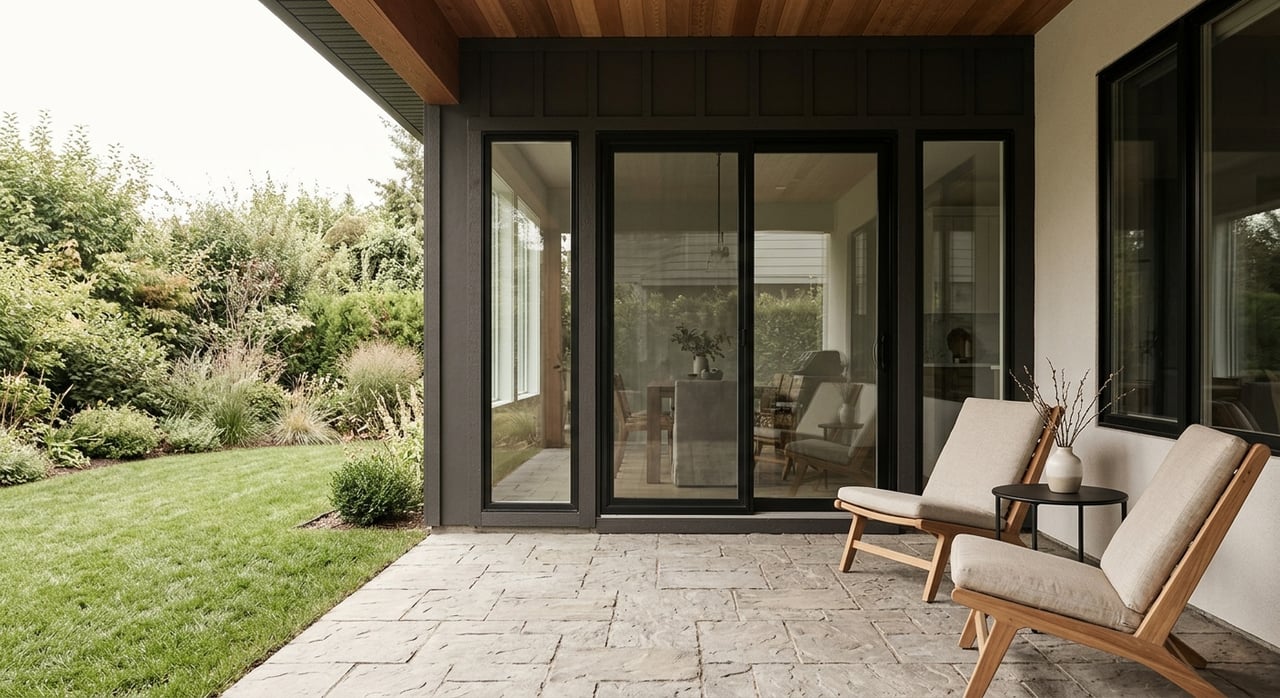
Love original woodwork and your morning coffee on a front porch? In Madison’s Willy Street and Marquette neighborhood, character homes and a creative, walkable lifestyle come together in a tight-knit Near East Side setting. If you want daily errands on foot, quick bike rides to downtown and UW, and a strong local-business scene, this area should be on your list. In this guide, you will learn what housing types you will find, the trade-offs to expect, smart renovation and inspection tips, and how to buy or sell with confidence. Let’s dive in.
Why Willy Street draws design lovers
Willy Street and the surrounding Marquette blocks sit on Madison’s Near East Side, close to downtown, UW, and Lake Monona. The corridor is known for an eclectic, independent spirit with cafes, neighborhood bars, arts-oriented spaces, and community-focused shops. Regular events, including the popular Willy Street Fair, bring weekend energy and street life. The result is a lively, bike-friendly place where porches and sidewalks are part of daily social life.
Housing types you will find
The neighborhood’s built fabric is mostly early to mid-20th century homes on narrow urban lots. You will see a mix of single-family bungalows and cottages, classic American Foursquares and modest Victorian-era houses, plus two-flats and small walk-up apartments. Along and near the commercial corridor, you will also find contemporary infill condos and townhomes, often with mixed-use storefronts at street level.
Craftsman and bungalow charm
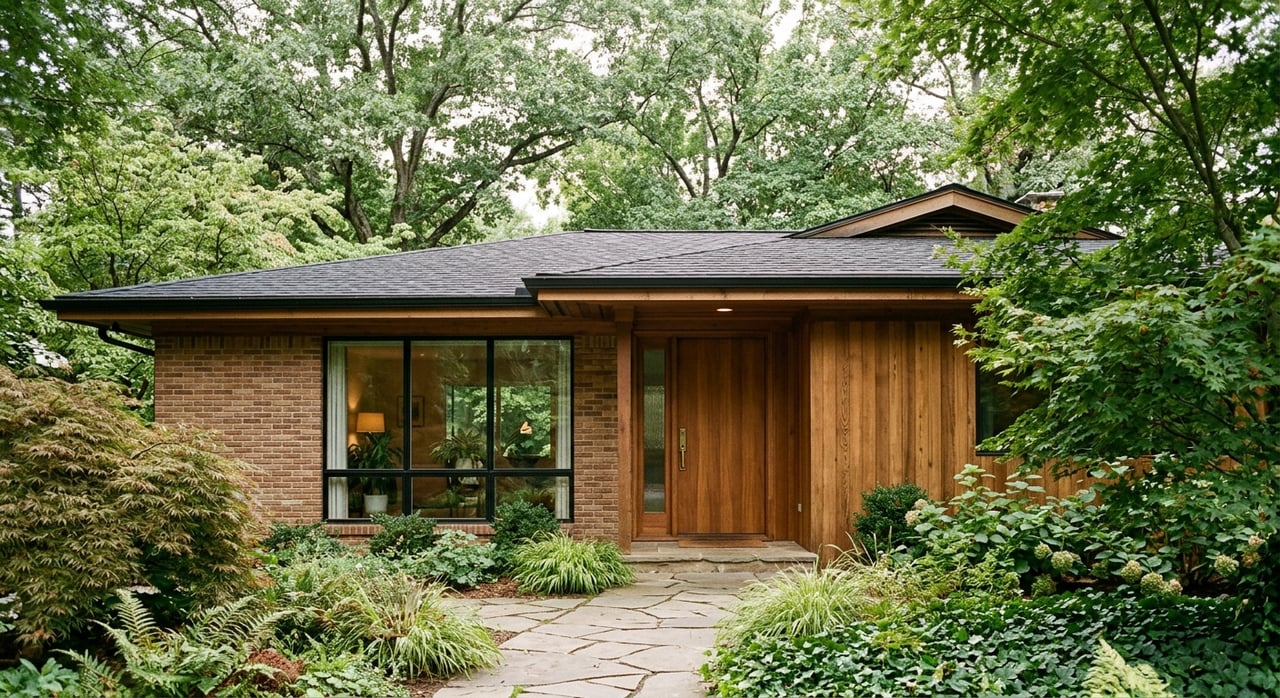
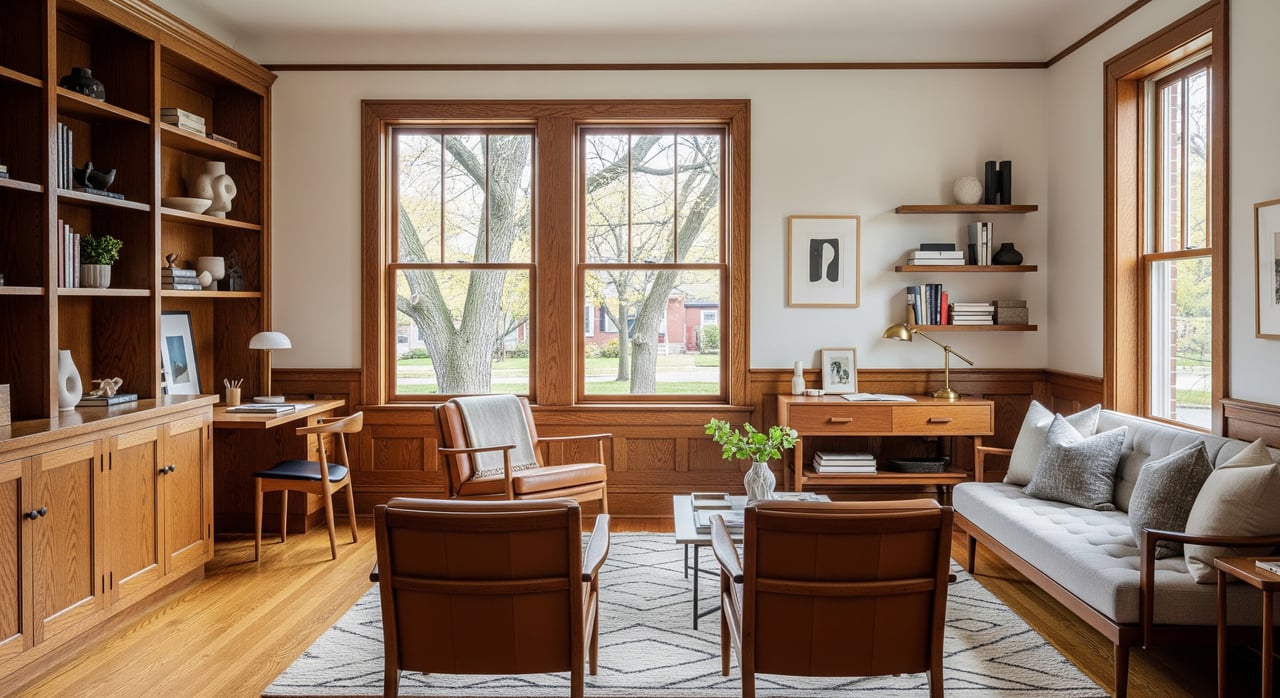
Craftsman and bungalow homes are common, with low rooflines, broad front porches, and wood or shingle siding. Interiors often feature original trim, built-ins, and wood floors. These homes attract buyers who value period detail and a strong porch culture.
American Foursquares and older Victorians
You will also spot boxier Foursquares and modest Victorian-era homes. Many carry porch details and ornamental touches that add curb appeal. Inside, some retain compartmentalized rooms, which can shape your renovation approach if you want a more open plan.
Duplexes, walk-ups, and condos
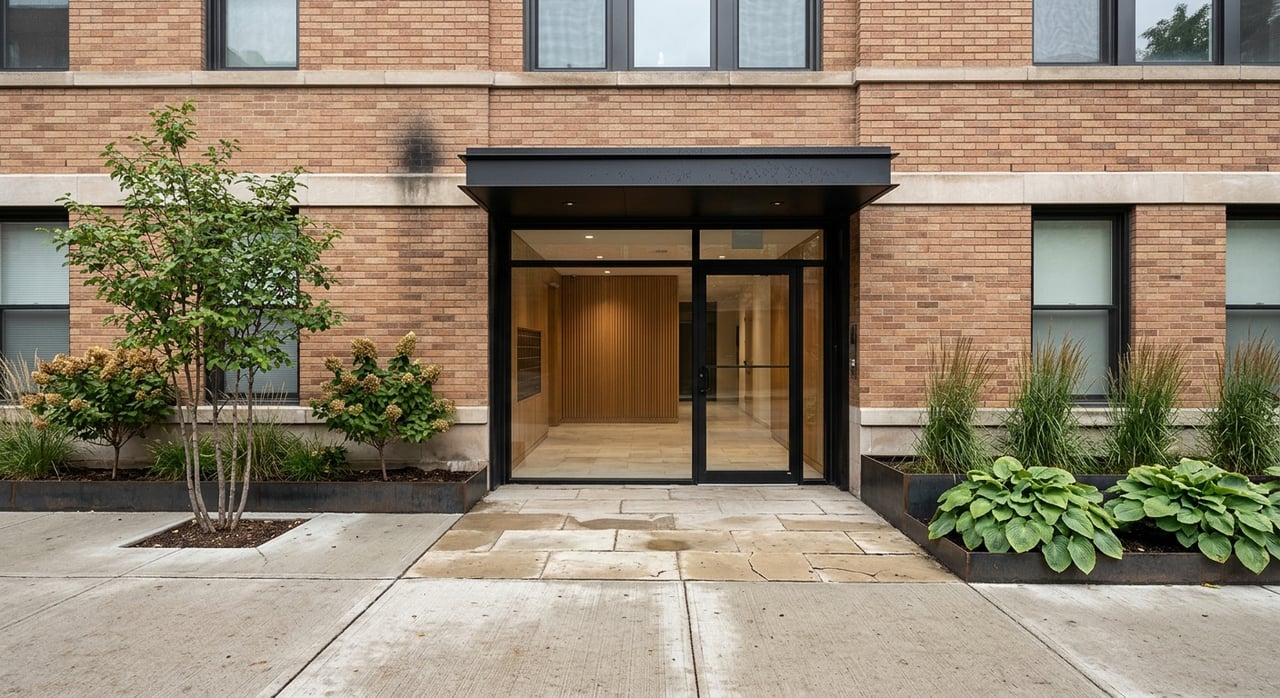
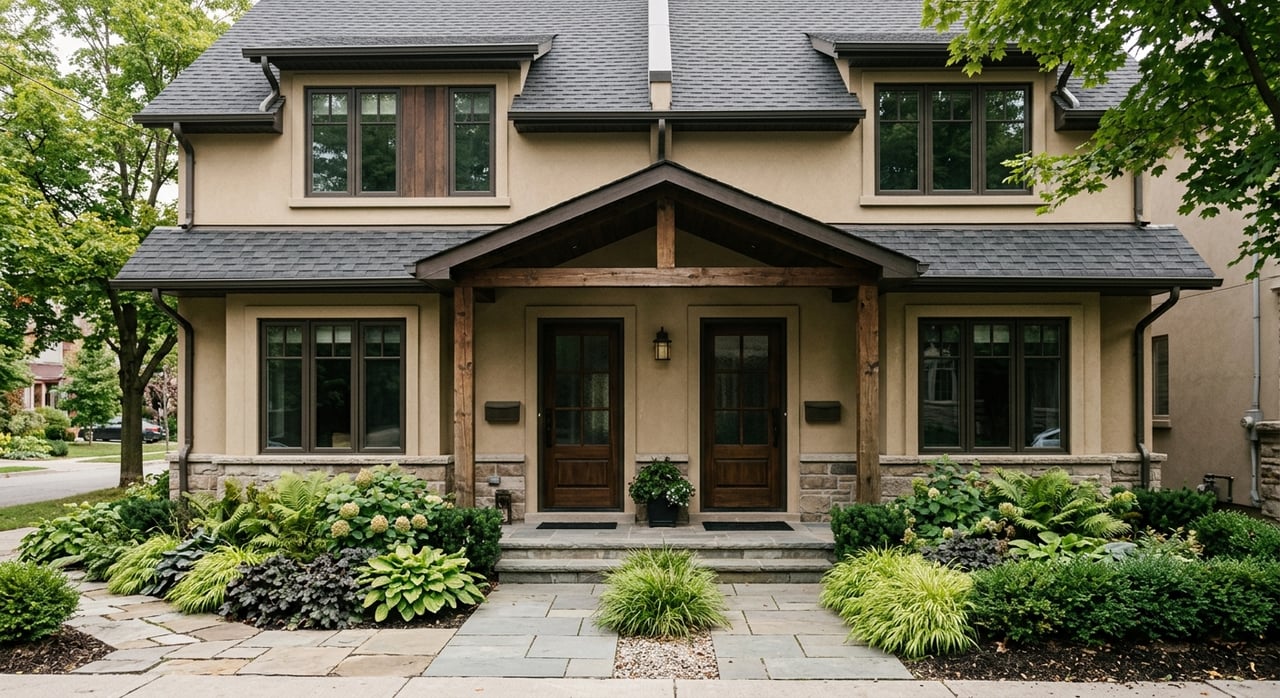
Two-flats and small brick or masonry walk-ups are part of the mix, sometimes owner-occupied with a rental unit. Newer infill condos and townhomes provide low-maintenance options closer to shops and cafes. If you prefer a simpler lock-and-leave lifestyle, these buildings can be a good fit.
Interior character and space realities
Older homes here often come with compact kitchens, smaller bedrooms, and less built-in storage. Many owners prioritize thoughtful updates that preserve original woodwork and arches while adding function. Popular projects include kitchen expansions, finishing basements, restoring porches, and swapping original windows for efficient replacements that match the period look.
- Expect cozy room sizes in many properties.
- Plan for creative storage solutions, especially in closets and entryways.
- Consider multi-use rooms for work-from-home or studio space.
Lots, yards, and parking
Lots tend to be smaller with modest rear yards, and alleys are common. Off-street parking can be limited, and detached garages are not guaranteed. Street parking is typical for many blocks, and bus routes serve the corridor, which helps reduce daily driving.
- Verify whether a property includes off-street parking or a garage.
- Evaluate alley access and any potential for a small addition or shed.
- Consider bike storage and winter car logistics before you buy.
Renovation trends and project planning
You will find everything from beautifully maintained period homes to heavily remodeled spaces. Buyers drawn to character often look for original millwork, built-ins, and intact porches. Renovation priorities commonly include kitchen updates, basement finishing, porch restoration, roof and window work, and small rear additions.
- Factor in specialized trades for plaster, trim, and historic-style window work.
- Expect longer timelines when preserving period details.
- Gather multiple quotes from local contractors, especially for structural, electrical, and HVAC updates.
Inspection priorities for older homes
Older homes can come with typical age-related issues. A thorough inspection helps you plan budgets and timelines with eyes wide open.
- Structure: foundation, joists, and evidence of past movement.
- Roof and drainage: gutters, grading, and sump pump function.
- Electrical: knob-and-tube or outdated panels that may need upgrades.
- Plumbing: potential lead or galvanized supply lines and aging waste lines.
- HVAC: system age and efficiency.
- Moisture: basement water entry and mold concerns.
- Materials: possible lead paint or asbestos that may require testing and abatement.
Zoning, permits, and historic considerations
City zoning determines use, setbacks, building height, and what you can add, including accessory dwelling units. Some individual properties or blocks may carry historic designation, which can affect exterior changes and require approvals from local commissions. Plan ahead for permits on additions, exterior work, basement finishes, garages, and any unit conversions. When in doubt, confirm with the City of Madison and relevant landmarks resources before you finalize plans.
Lifestyle: walkable, creative, connected
This area is designed for daily convenience on foot or bike. Local co-op shopping, cafes, and casual restaurants double as work and social spots. Arts-oriented spaces, galleries, and community venues give the neighborhood its creative pulse. Proximity to Lake Monona and nearby parks adds easy access to green space and water views.
Noise and weekend energy
The same energy that makes Willy Street appealing can create trade-offs. Festivals, nightlife, and steady foot traffic mean you may hear more street activity, and parking can feel tight at peak times. If you love a lively, social block, you will likely see this as a feature. If you want a quieter setting, focus on interior blocks farther from the busiest corners.
Buying strategies in Willy Street
- Define must-have character features early, such as original woodwork or a full front porch.
- Balance walkability desires with parking needs and storage for bikes or gear.
- Budget for immediate fixes and longer-term upgrades, especially in kitchens, baths, and mechanical systems.
- Move quickly on well-priced listings, since proximity to downtown and a strong neighborhood identity often support steady demand.
Selling a character home here
Presentation matters. Period details, porch appeal, and bright, uncluttered interiors help buyers connect with your home. Strategic pre-list improvements, thoughtful staging, and clear disclosure of recent mechanical upgrades can speed time to market and support stronger outcomes.
- Highlight original features and well-executed updates.
- Refresh high-impact spaces like the kitchen and entry.
- Stage for scale in smaller rooms, and showcase storage solutions.
- Prepare permits and project documentation for buyer confidence.
Husky Homes pairs design-led staging with streamlined vendor coordination to bring character properties to life. With renovation advising and access to Compass tools, the team helps you focus on the right improvements for the best return.
Small-space living, big creativity
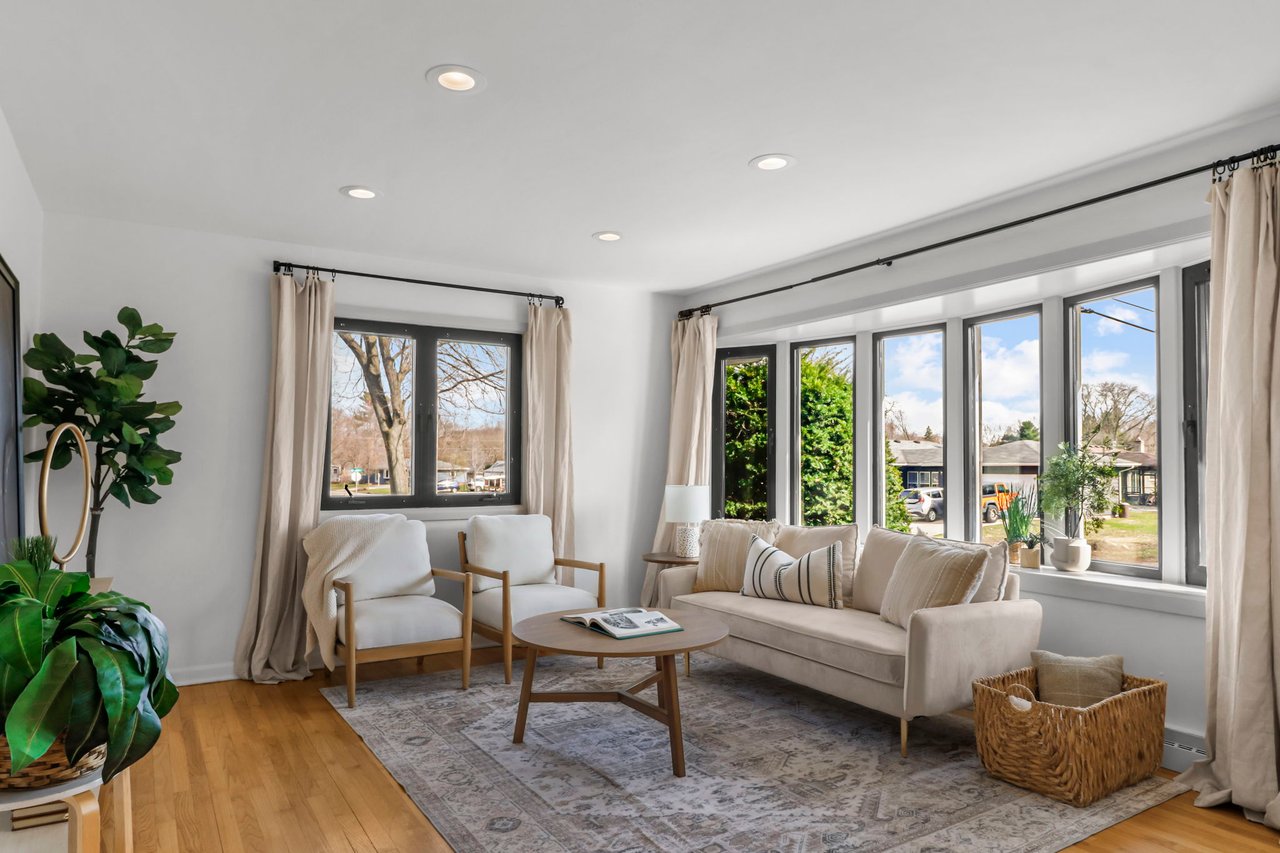
Many buyers choose smaller urban homes here for the lifestyle. You can make compact rooms feel airy with lighter color palettes, minimal window treatments, and multi-use furniture. Built-in shelving, mudroom nooks, and thoughtful closet systems help you maximize every inch while keeping period charm intact.
A sample day on Willy Street
Start with coffee and a stroll past storefronts with apartments above. Grab groceries at the local co-op, bike along tree-lined streets, then relax on your front porch as neighbors pass by. On festival weekends, join the community for live music and food, then end the day with a walk toward Lake Monona for sunset.
Is Willy Street right for you
Choose this neighborhood if you value walkability, local businesses, and the personality of older homes. Expect compact lots, potential for renovation, and more street life than quieter suburbs. If you want condo convenience or a classic bungalow with porch culture, you will find compelling options across these Near East Side blocks.
Ready to explore homes or prep your property for a standout sale? Connect with the local team that blends design insight with market expertise. Reach out to Husky Homes to start a plan that fits your goals.
FAQs
What is the Willy Street and Marquette area in Madison
- It is a Near East Side neighborhood centered on Williamson Street, known for independent businesses, walkability, and a mix of older homes plus some newer infill.
What home styles are most common in Willy Street
- You will see Craftsman bungalows, American Foursquares, modest Victorian-era homes, two-flats and small walk-ups, with modern condos and townhomes closer to the corridor.
What renovation projects are typical for older homes here
- Popular updates include kitchen modernization, basement finishing, porch restoration, roof and window work, and small rear additions that respect period character.
Are there special rules for exterior changes or additions
- Some properties or blocks may have historic designation that requires approvals for exterior work, and all significant projects need permits under City of Madison zoning and building codes.
How is parking handled in the neighborhood
- Many homes rely on street parking, some have alleys or limited off-street spots, and detached garages are not guaranteed, so verify parking arrangements with each property.
What should I prioritize during inspections on older homes in this area
- Focus on structure, roof and drainage, electrical systems, plumbing, HVAC age and efficiency, moisture in basements, and potential lead paint or asbestos.
Is the neighborhood noisy due to events and nightlife
- Expect lively weekends, festivals, and steady foot traffic near the corridor, with quieter conditions typically found on interior residential blocks.