Looking for a Madison neighborhood that feels established, active, and close to the city’s everyday essentials? Dudgeon-Monroe stands out for its older homes, local businesses along Monroe Street, and easy access to Lake Wingra, Vilas Park, and the UW Arboretum. If you are trying to decide whether this near west side neighborhood matches your lifestyle, this guide will help you weigh the character, convenience, and trade-offs. Let’s dive in.
What Dudgeon-Monroe Feels Like
Dudgeon-Monroe sits on Madison’s near west side and stretches southwest from the UW campus along Monroe Street. According to the Dudgeon-Monroe Neighborhood Association, the neighborhood is bounded by Lake Wingra, Odana Road, the Southwest Shared Use Path, and Monroe Street, and includes about 1,500 households.
That location gives you an in-town setting with a strong neighborhood identity. Instead of feeling like a newer subdivision, the area reflects Madison’s earlier growth pattern, with established streets, mature homes, and a layout shaped over time.
Why Monroe Street Matters
Monroe Street is the neighborhood’s main commercial corridor, and it plays a big role in daily life here. The city’s planning documents divide it into three nodes: Monroe-Regent, Monroe-Commonwealth, and Monroe-Glenway.
What makes that important for buyers is the type of businesses you will find. The corridor is defined mostly by local, neighborhood-serving retail rather than large regional or national retail, with a mix that includes groceries, restaurants, boutiques, financial services, and recurring shopping and dining events.
If you like having everyday stops close by, that can be a real plus. You may find it easier to build routines around nearby errands, casual meals, and local events without needing to leave the area for every small task.
Recreation Is Part of Daily Life
One of Dudgeon-Monroe’s biggest strengths is how close you are to outdoor recreation. This is not a neighborhood where parks feel like an afterthought. They are woven into the experience of living here.
Lake Wingra and Wingra Park
Wingra Park sits on Lake Wingra and offers picnic areas, fishing, playgrounds, fields, and canoe, kayak, and paddle boat rentals. If you enjoy getting outside after work or on weekends, that kind of access can shape how often you actually use the water and open space around you.
Vilas Park and Nearby Destinations
Vilas Park adds even more options, including a sandy beach, fishing, and ice skating. It also sits next to the UW Arboretum and Henry Vilas Zoo, which makes this part of Madison especially appealing for buyers who want multiple recreational choices close to home.
Arboretum Trails and Seasonal Use
The UW Arboretum is free to visit and includes more than 17 miles of trails, with boardwalks, footpaths, and seasonal ski and snowshoe routes. That variety matters because it supports year-round use, not just summer outings.
Bike Access Around the Neighborhood
Bike access is another major part of the neighborhood’s appeal. The Greater Madison MPO highlights the Lake Wingra Loop, a 6.5-mile route that moves through Dudgeon-Monroe and nearby lakefront areas, and also provides a low-stress route finder focused on quieter streets and paths.
For some buyers, that kind of bike access is a lifestyle upgrade. For others, it is simply a practical way to move around Madison more easily.
What the Homes Are Like
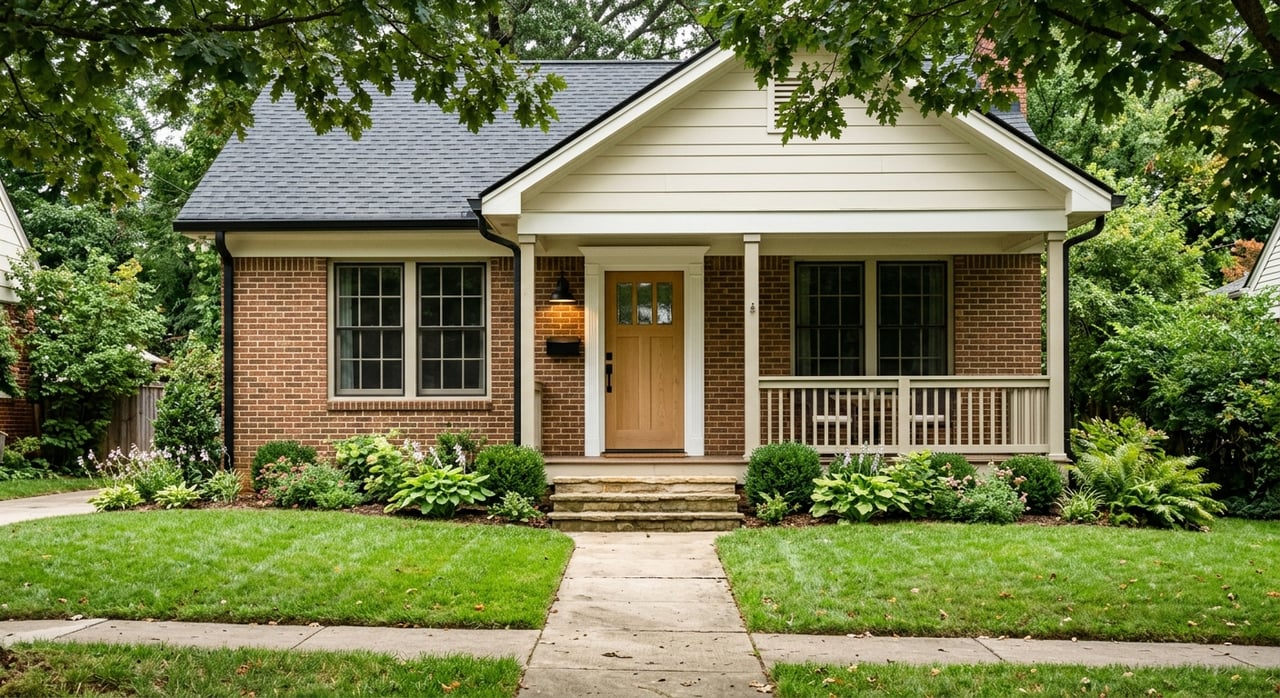
If you are drawn to older homes with character, Dudgeon-Monroe may move to the top of your list. The neighborhood’s housing story is tied to Madison’s earlier development, and city history materials trace Monroe Street back to the 1890s, when farms west of Camp Randall were sold off as lots.
That history still shows up in the housing stock today. The area includes an established lot pattern rather than the layout you would expect in a modern subdivision, and city historic materials note 1920s garage homes tucked behind main houses on some lots.
Architectural Character
The architectural mix is one of the neighborhood’s clearest defining features. City historic materials highlight Prairie-style homes, along with Colonial Revival, Arts-and-Crafts-influenced Colonial Revival, and Tudor examples.
For buyers, this means the neighborhood can feel visually varied while still cohesive. If you appreciate original details, period architecture, and homes with distinct personalities, Dudgeon-Monroe offers a different experience than newer housing areas.
Ownership and Housing Profile
A Monroe Street planning document found that the surrounding residential district was predominantly owner-occupied single-family housing, with 87.2% of homes classified as single-family and most built in 1920 through 1929. More recent city data shows that Dudgeon-Monroe remains heavily owner-occupied.
In the 2025 Housing Snapshot, 90.29% of the neighborhood’s 1-unit structures were owner-occupied, up from 87.05% in 2021, with 618 1-unit structures counted. In the city’s 2025 assessor report, the average single-family assessed value was $629,200, which is above the citywide average of $481,300.
Who Dudgeon-Monroe Fits Best
Dudgeon-Monroe is often a strong fit if you want an in-town lifestyle with established homes, neighborhood retail, and easy access to parks, trails, and the lake. Buyers who value character and proximity to everyday amenities may find a lot to like here.
It can also make sense if you want a neighborhood where recreation is part of normal life rather than a special trip. Being close to Lake Wingra, Vilas Park, and the Arboretum creates options for walking, biking, paddling, and seasonal outdoor time.
For design-aware buyers, the older housing stock may be especially appealing. Homes here can offer original character, and they may also present opportunities to think carefully about updates, layout changes, or future improvements.
Where the Trade-Offs Show Up
Every neighborhood comes with trade-offs, and Dudgeon-Monroe is no exception. If you are hoping for a newer-construction feel, very uniform housing, or a tucked-away subdivision layout, this area may not line up with that vision.
Traffic is another consideration. Monroe Street is a major arterial, and city planning documents identify parking, traffic, and pedestrian safety concerns around the Monroe-Commonwealth node.
That does not mean the neighborhood is the wrong fit. It means your block, your lot, and your distance from Monroe Street can make a meaningful difference in how a specific home feels day to day.
Questions to Ask on a Home Tour
When you tour a home in Dudgeon-Monroe, it helps to look beyond the photos and focus on how the property fits the neighborhood’s established pattern. A thoughtful showing tour can tell you a lot.
Here are a few useful questions to keep in mind:
- How close is the property to Monroe Street compared with quieter interior streets?
- Does the lot depth and backyard space feel right for the age of the home?
- How much original character remains, and how much has been renovated over time?
- Will you realistically use the lake, trails, parks, or bike network enough for that access to matter in your daily life?
These questions are practical because they connect directly to what makes Dudgeon-Monroe distinctive. The right answer will depend on your routine, preferences, and long-term goals.
A Smart Way to Evaluate the Neighborhood
If you are serious about Dudgeon-Monroe, try visiting at different times of day. A morning drive, an evening walk, and a weekend stop along Monroe Street can each show you something different about traffic, noise, parking, and activity levels.
It is also worth comparing homes closer to the commercial corridor with homes on more interior streets. In a neighborhood with this much character and variation, the difference of a few blocks can change the feel in a big way.
Final Take
Dudgeon-Monroe can be a great match if you want an established Madison neighborhood with older homes, local businesses, and standout access to parks, trails, and Lake Wingra. Its strongest appeal is the combination of city convenience and everyday recreation, wrapped in a setting with real architectural character.
At the same time, it is not trying to be a quiet new subdivision. If you go in with clear expectations about housing age, traffic patterns, and what you want from the location, you will be in a much better position to decide whether Dudgeon-Monroe feels like your next neighborhood.
If you want help comparing homes in Dudgeon-Monroe or narrowing down which blocks best match your lifestyle, the team at Husky Homes can help you evaluate the details with confidence.
FAQs
Is Dudgeon-Monroe a good fit for buyers who want walkable errands in Madison?
- Dudgeon-Monroe may be a strong fit if you want nearby everyday businesses, since Monroe Street includes local groceries, restaurants, boutiques, financial services, and recurring shopping and dining events.
What kinds of homes are common in Dudgeon-Monroe?
- Dudgeon-Monroe is known for older single-family homes, with many homes built in the 1920s and an architectural mix that includes Prairie, Colonial Revival, Arts-and-Crafts-influenced Colonial Revival, and Tudor styles.
Is Dudgeon-Monroe mostly owner-occupied housing?
- Yes. Madison’s 2025 Housing Snapshot shows that 90.29% of the neighborhood’s 1-unit structures were owner-occupied.
What outdoor amenities are near Dudgeon-Monroe?
- The neighborhood is close to Lake Wingra, Wingra Park, Vilas Park, and the UW Arboretum, with access to boating, fishing, trails, beach areas, playgrounds, and seasonal outdoor activities.
What should buyers watch for when touring homes in Dudgeon-Monroe?
- Pay close attention to how close the home is to Monroe Street, how the lot size feels for the home’s age, how much original character remains, and whether you will truly use the nearby parks, lake access, and bike routes.