If you love clean lines, big windows, and that unmistakable mid-century feel, Hill Farms is easy to notice. But buying one of these homes is not just about style. You also need to understand how the neighborhood developed, what varies from house to house, and where renovation costs often show up. This guide will help you weigh the character, convenience, and practical trade-offs so you can shop with confidence. Let’s dive in.
Why Hill Farms Stands Out
Hill Farms, also called University Hill Farms, is a planned near-west Madison neighborhood developed largely in the 1950s and early 1960s on former University of Wisconsin experimental farm land. By 1964, about 87% of the district’s buildings were complete, and the area still retains much of its original character.
That history matters when you are buying here. Hill Farms is listed in the National Register of Historic Places, and the neighborhood is known for its cohesive layout, housing mix, parks, school sites, shopping access, and office uses planned together as a self-contained community.
Location is also a major part of the draw. Hill Farms sits on Madison’s near west side with access to parks, Hilldale, downtown, the University of Wisconsin campus, and the Beltline.
What Mid-Century Homes Look Like Here
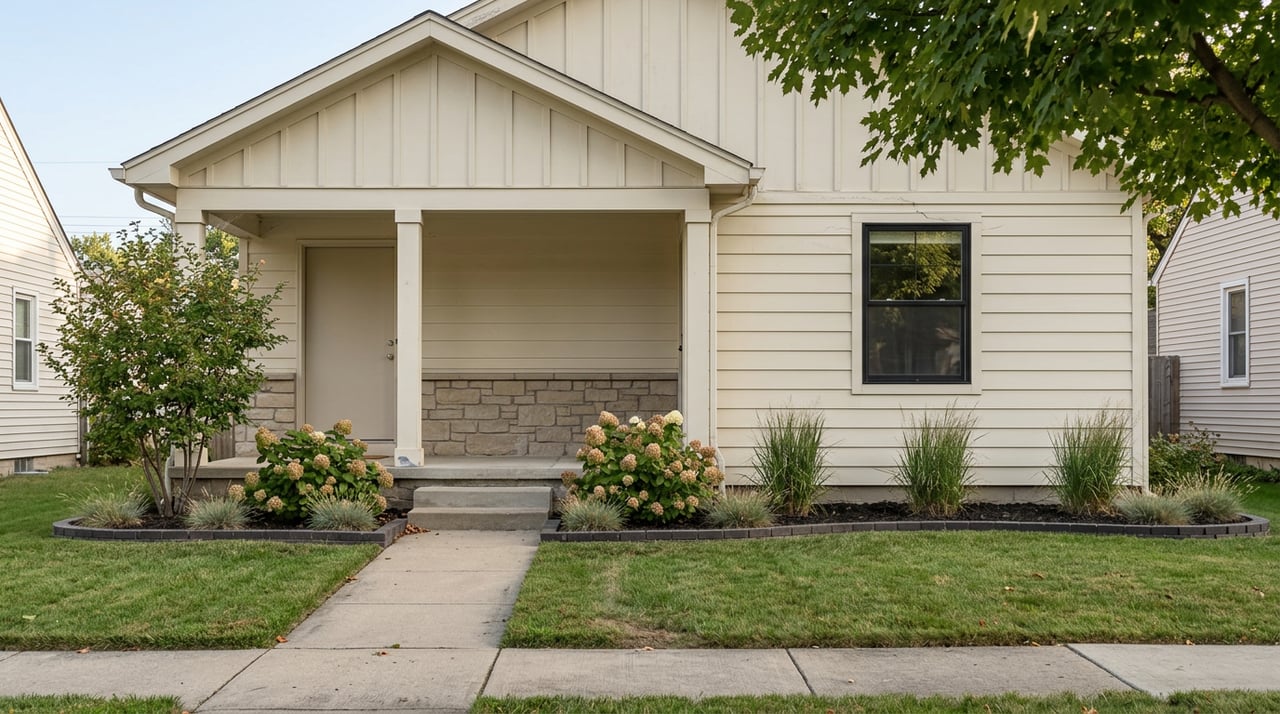
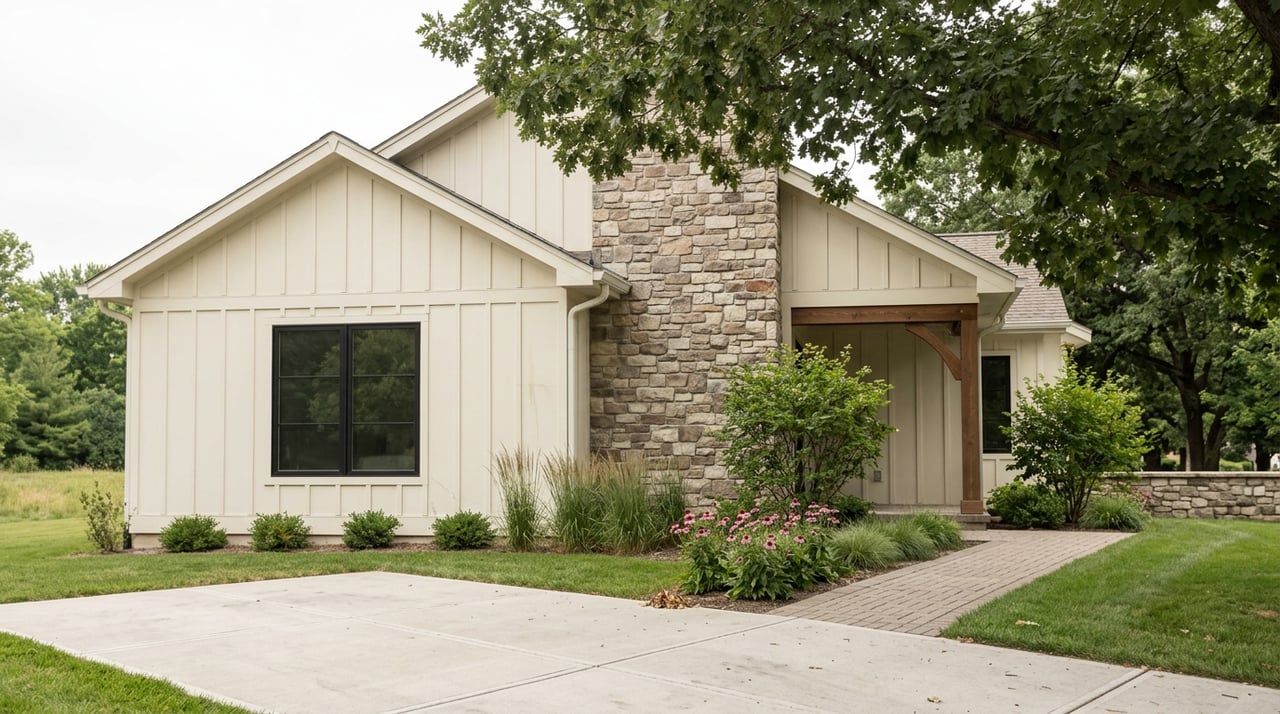
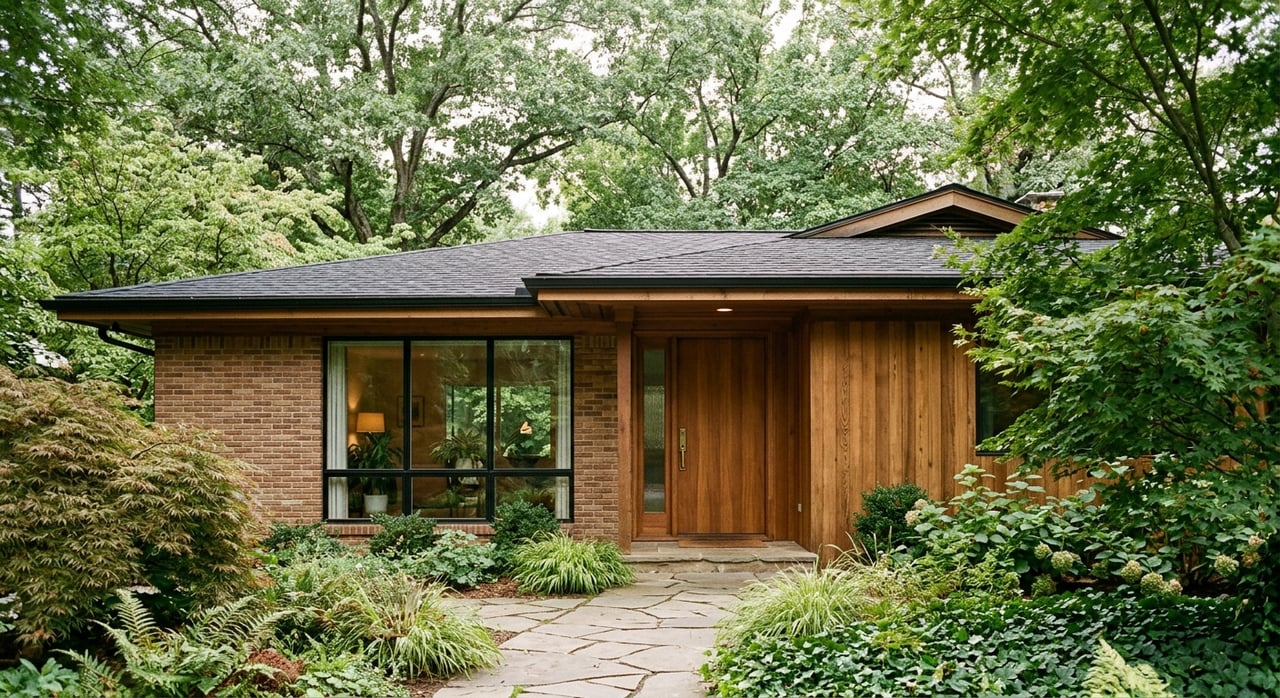
Many buyers come to Hill Farms for ranch homes and other mid-century designs. Common exterior features include low horizontal lines, low-pitched roofs, wide eaves, large picture windows, and attached garages or carports.
Inside, you may find open living areas, eat-in kitchens, built-ins, and strong indoor-outdoor flow. Generous glass and integrated living and dining spaces are also common traits of 1950s ranch design.
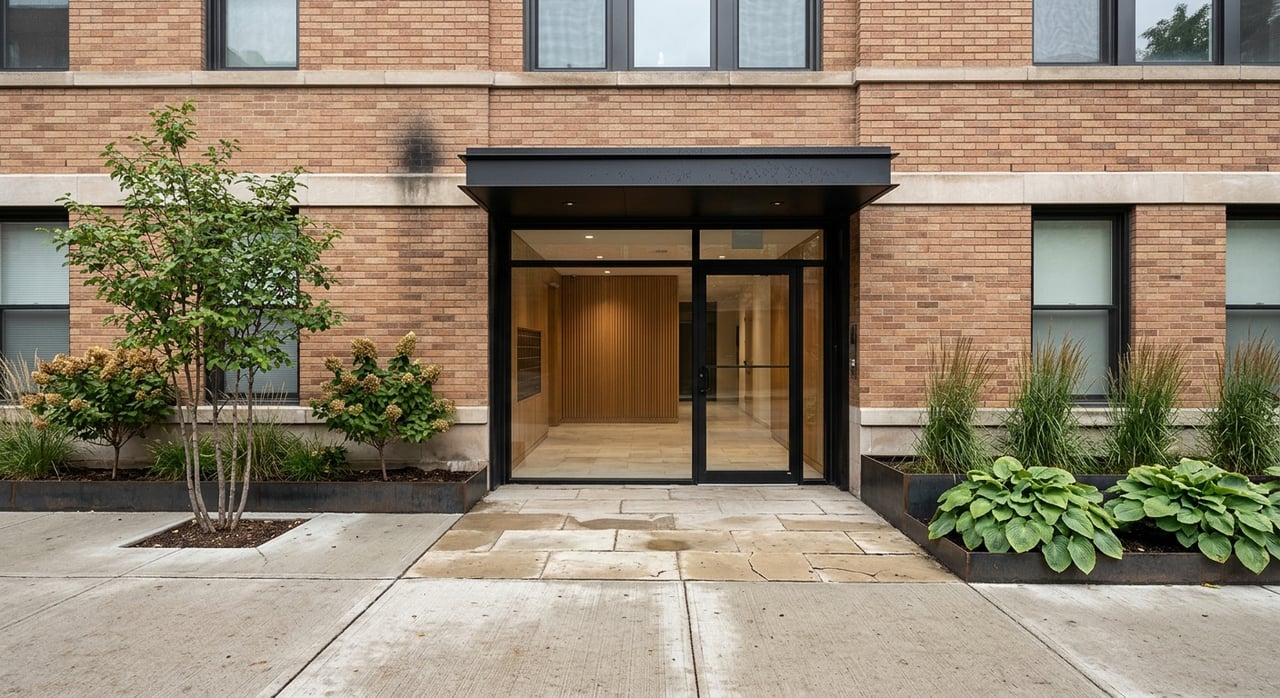
That said, Hill Farms is not one-note. The neighborhood includes single-family homes, duplexes, garden apartments, and later contemporary or high-rise additions, and development continued into the late 1980s. That means one block can feel very different from the next.
Expect Variation From Home to Home
One of the biggest mistakes buyers make is assuming every Hill Farms home is a perfectly preserved 1950s ranch. In reality, originality, layout, finishes, and renovation quality can vary widely.
Some homes still hold onto period details that design-minded buyers love. Others have been updated over time, sometimes carefully and sometimes with more of a patchwork approach.
You may also come across architecturally notable properties. The district includes a Frank Lloyd Wright-designed house and other Wrightian examples, which adds another layer of design interest to the neighborhood.
The Main Trade-Off for Buyers
Hill Farms offers authentic mid-century character in a highly convenient Madison location. The trade-off is that many homes need work to meet current expectations for comfort, storage, and efficiency.
In many cases, the architectural shell and setting are the reason to buy. The updates often come later, especially in kitchens, baths, insulation, and mechanical systems.
If you are considering a home here, it helps to think in three buckets:
- Cosmetic updates like paint, lighting, tile, and surface-level finishes
- Systems and envelope work like insulation, air sealing, heating and cooling, electrical, windows, and drainage
- Full renovation involving layout changes, major kitchen work, or multiple system replacements
Where Buyers Commonly Update
Kitchens and baths are often the first spaces buyers want to improve. Many mid-century homes were built with compact, practical layouts, modest bedroom counts, smaller bathrooms, and functional eat-in kitchens rather than the larger kitchens many buyers expect today.
That does not mean you need to erase the home’s character. In fact, many buyers choose to preserve original built-ins, glass, and exterior proportions while updating cabinetry, tile, fixtures, and storage.
This is where a design-aware approach can really help. The best updates tend to improve daily function without stripping away the details that made the house appealing in the first place.
Systems Matter as Much as Style
A beautiful living room does not tell you much about what is happening behind the walls. For older homes in Hill Farms, systems and building performance deserve just as much attention as finishes.
Home-buyer guidance recommends evaluating plumbing, heating, cooling, electrical, roof, siding, windows, doors, and whether the lot drains away from the house. Those items can affect both your upfront budget and your long-term comfort.
Older homes are also often not well insulated. Energy guidance points to weatherization priorities such as insulation, air sealing, ventilation, heating and cooling replacements, and electrical panel upgrades or wiring when preparing a home for more efficient electrification.
Comprehensive air sealing can address leaks around windows, plumbing, ducts, flues, and rim joists. Sealing air leaks and adding insulation can improve comfort and may save up to 10% on annual energy bills.
Why Inspections Need a Closer Look
In a neighborhood like Hill Farms, a general inspection is important, but buyers also benefit from looking beyond the obvious. A home can show beautifully and still have deferred work in the attic, basement, crawl spaces, or utility systems.
If a house has older windows, limited insulation, or an aging mechanical setup, those issues may not be deal-breakers. But they should shape your budget and timeline.
A home energy assessment can also help identify inefficiencies and prioritize improvements. For buyers planning updates over time, that kind of roadmap can be especially useful.
Lead Paint Is a Practical Consideration
Because many Hill Farms homes were built before 1978, lead-based paint is a relevant issue for buyers and renovators. Older homes are more likely to contain it.
If you are planning repairs or remodeling, it is wise to assume lead-based paint may be present unless testing shows otherwise. EPA guidance recommends either assuming pre-1978 homes contain lead-based paint or hiring a certified inspector or risk assessor before renovation.
This does not mean you should avoid older homes. It means you should plan carefully if renovation is part of your purchase strategy.
How Competitive Is the Market?
Hill Farms is not just desirable for its architecture. It is also a premium, competitive neighborhood.
Recent market data show a median sale price of about $745,000 over the three months ending May 2026, with a median of 52 days on market. About 59.9% of homes sold above list price during that period.
For you as a buyer, that means preparation matters. Financing, inspection strategy, and renovation budget are best decided early so you can move quickly without losing sight of the true cost of ownership.
Check the Exact Property Rules
Historic status can sound intimidating, but buyers should avoid broad assumptions. National Register listing does not place federal restrictions or requirements on a private owner, though local laws can still apply.
In Hill Farms, the neighborhood association describes itself as an optional cooperative with a current $10 annual fee, not a mandatory HOA. Its Architectural Review Committee is advisory and cannot compel compliance in most cases.
The neighborhood’s history also notes that recorded covenants began expiring after 60 years unless extended, and the committee no longer reviews most plats beyond the Gugel Addition except in rare cases with a recorded extension. The key takeaway is simple: verify the deed and plat for the specific address rather than assuming every lot is governed the same way.
How to Decide if a Hill Farms Home Fits You
A mid-century home in Hill Farms can be a great fit if you value architecture, location, and the chance to personalize a home thoughtfully over time. It may be less ideal if you want a fully updated house with minimal maintenance from day one.
Before you make an offer, ask yourself a few clear questions:
- Do you love the original design enough to preserve key features?
- Are you comfortable budgeting for kitchen or bath updates?
- Can you take on insulation, mechanical, or electrical work if needed?
- Does the home’s current layout support your daily life?
- Have you confirmed whether any deed or plat restrictions apply to that address?
When you answer those questions honestly, your decision gets much easier. The right Hill Farms home is often less about perfection today and more about whether the home’s character, condition, and project scope match your goals.
If you are exploring Hill Farms and want help evaluating which homes are worth the premium, Husky Homes can help you look past the photos, understand the renovation variables, and make a confident plan.
FAQs
What makes Hill Farms mid-century homes distinctive?
- Many Hill Farms homes feature classic mid-century ranch design, including low-pitched roofs, horizontal lines, wide eaves, large windows, and layouts that connect indoor and outdoor living.
What should buyers inspect in older Hill Farms homes?
- Buyers should pay close attention to plumbing, heating, cooling, electrical, roof, siding, windows, doors, drainage, insulation, and air sealing, since systems and envelope work can be a major part of the total cost.
Are all homes in Hill Farms original 1950s ranches?
- No. Hill Farms was built in phases from the mid-1950s through the late 1980s, so housing style, layout, and level of originality can vary a lot by block and by property.
Do Hill Farms homes often need updates?
- Many do. Kitchens, bathrooms, insulation, storage, and mechanical systems are common improvement areas, even when the home’s architectural character remains highly appealing.
Does National Register status restrict private owners in Hill Farms?
- National Register listing itself does not create federal restrictions for private owners, but buyers should still verify any local rules, recorded covenants, deed terms, or plat-specific requirements for the exact property.
Is there a mandatory HOA in Hill Farms?
- The neighborhood association describes itself as an optional cooperative with a current $10 annual fee rather than a mandatory homeowners association.
How competitive is the Hill Farms housing market for buyers?
- Recent data show a median sale price around $745,000, a median of 52 days on market, and about 59.9% of homes selling above list price, which points to a competitive market where preparation matters.