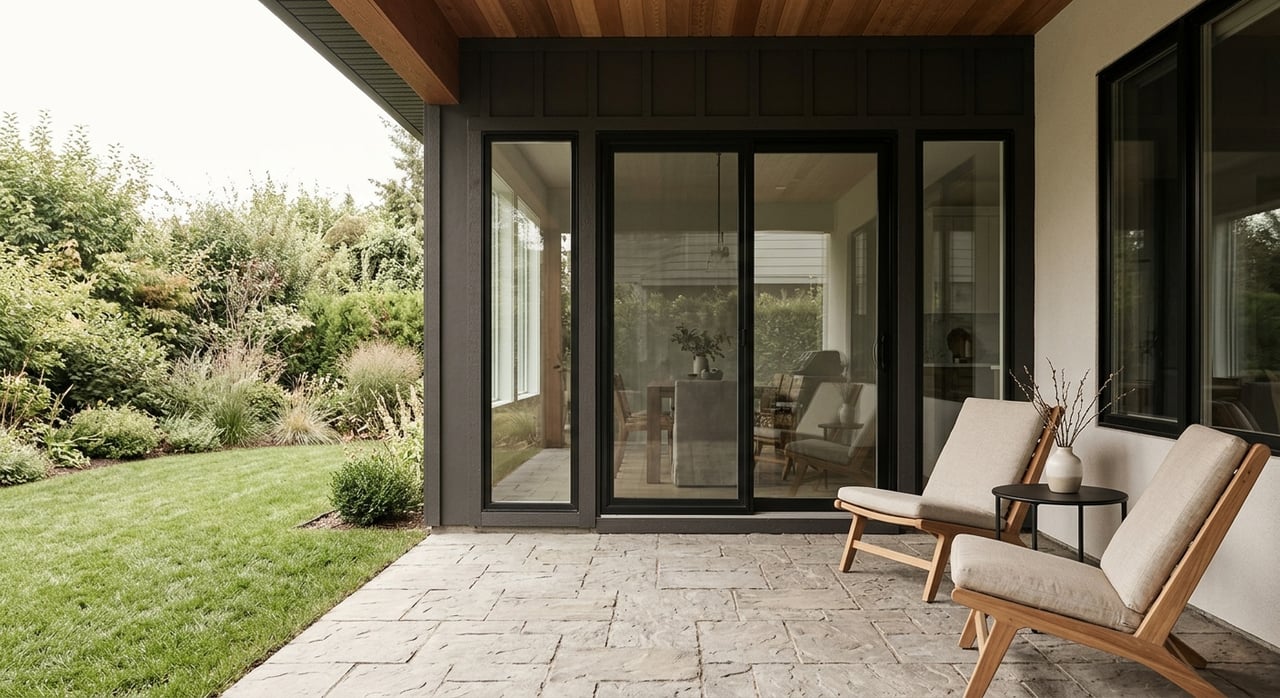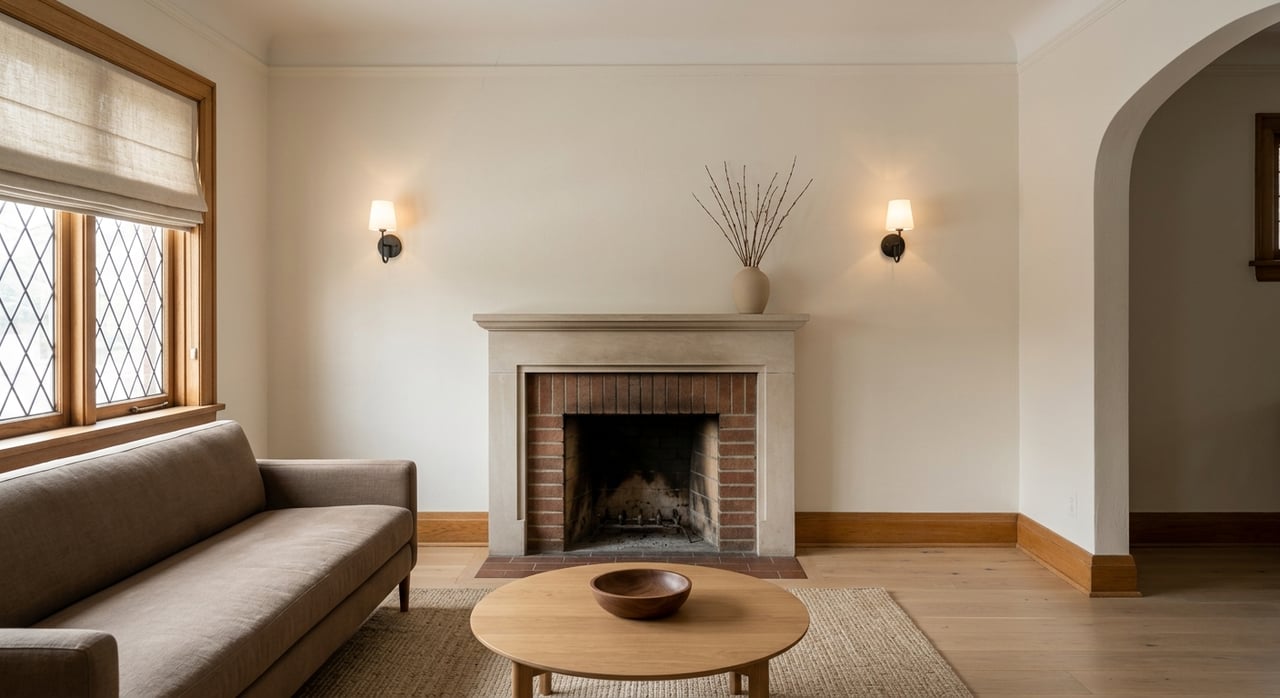
Wondering how to sell a character home in Nakoma without stripping away the details that make it special? If your home has original windows, plaster, doors, or period architecture, it can be tempting to over-update before listing. The better approach is usually more thoughtful than dramatic, and it starts with understanding what buyers are really responding to. Let’s dive in.
Why Nakoma character matters
Nakoma is not just another Madison neighborhood. According to the City of Madison’s historic district overview, it was platted in 1915, annexed in 1931, and largely built out by 1945. The neighborhood is also listed in the National Register of Historic Places, with architecture that includes Colonial Revival, Tudor Revival, and Prairie School styles.
That context matters when you sell. In a neighborhood shaped by consistent scale, period design, and long-standing architectural standards, buyers are often drawn to the home’s original character as much as its updates. Your listing should help them see both.
Start with preservation, not over-renovation
When you prepare a Nakoma home for sale, the goal is not to make it look brand new. The goal is to make it feel well cared for, functional, and easy to appreciate. Character homes tend to show best when original details remain visible and in good condition.
The Wisconsin Historical Society notes that National Register status is largely honorific for private owners and does not itself impose restrictions. Still, if you are considering exterior work, it is wise to confirm whether your property has any additional local designation and review applicable standards before making changes.
Features worth keeping
Before you replace older elements, look closely at what may add value to the buyer experience.
- Original doors, sidelights, transoms, and surrounds should be preserved whenever possible, based on Wisconsin Historical Society guidance on historic doors
- Original windows and transoms are generally best maintained and repaired before replacement, according to guidance on historic windows
- Decorative plaster, cornices, and ceiling details help define a historic interior and should be repaired with compatible materials, as outlined in this article on historic plaster
- Original light fixtures and sconces should be retained when possible, with compatible additions if more light is needed, based on historic lighting guidance
These are not small details. They are often the features that make a buyer pause, remember the home, and feel that it offers something harder to find.
Use updates to support the architecture
Cosmetic improvements still matter, but they should support the home’s style instead of competing with it. Fresh paint, repaired surfaces, and better lighting can all help a character home feel more move-in ready.
In most cases, the smartest updates are the quiet ones. Think clean walls, repaired trim, functional windows, refreshed fixtures, and finishes that let original craftsmanship stand out. If the home has beautiful millwork, plaster detail, or period doors, those features should stay the focus.
Follow a smart prep timeline
If you are planning to sell in the next 6 to 18 months, sequence matters. A thoughtful plan can help you avoid spending money in the wrong places.
A practical order looks like this:
- Handle maintenance first
- Address leaks
- Repair damaged plaster
- Fix worn doors or windows
- Restore or service original fixtures where needed
- Make cosmetic improvements second
- Repaint in a way that highlights trim and architectural details
- Update lighting with compatible styles
- Declutter and simplify each room
- Stage and photograph last
- Bring in furnishings and accessories after the home is clean and repaired
- Schedule photography only once presentation is fully finished
This order aligns with preservation guidance and helps ensure your listing looks polished without losing its identity.
Stage to highlight the house
Staging works best when it helps buyers see the home, not just the furniture. That is especially true in Nakoma, where room proportions, original details, and sightlines are part of the appeal.
According to the National Association of Realtors 2025 Profile of Home Staging, 83% of buyers’ agents said staging made it easier for buyers to visualize a property as a future home. The same report found that 60% said staging affected most buyers’ view of the home most of the time.
For many Nakoma sellers, that does not mean filling every room. It means removing distraction, opening up circulation, and choosing pieces that fit the scale and style of the house.
Focus your staging budget where it counts
If you are deciding where to spend, the same NAR report found the most commonly staged rooms were:
- Living room
- Primary bedroom
- Dining room
- Kitchen
Those rooms often carry the most visual weight in listing photos and showings. If your budget is limited, starting there can make the biggest difference.
The report also found a median staging service spend of $1,500. That is a useful benchmark because it shows staging can be scaled. You do not have to treat it as an all-or-nothing project.
Light-touch staging can still work
Not every character home needs full-service staging. In the NAR survey, 51% of sellers’ agents said they did not stage homes before listing but did advise sellers to declutter or fix property faults. Only 21% said they staged all homes.
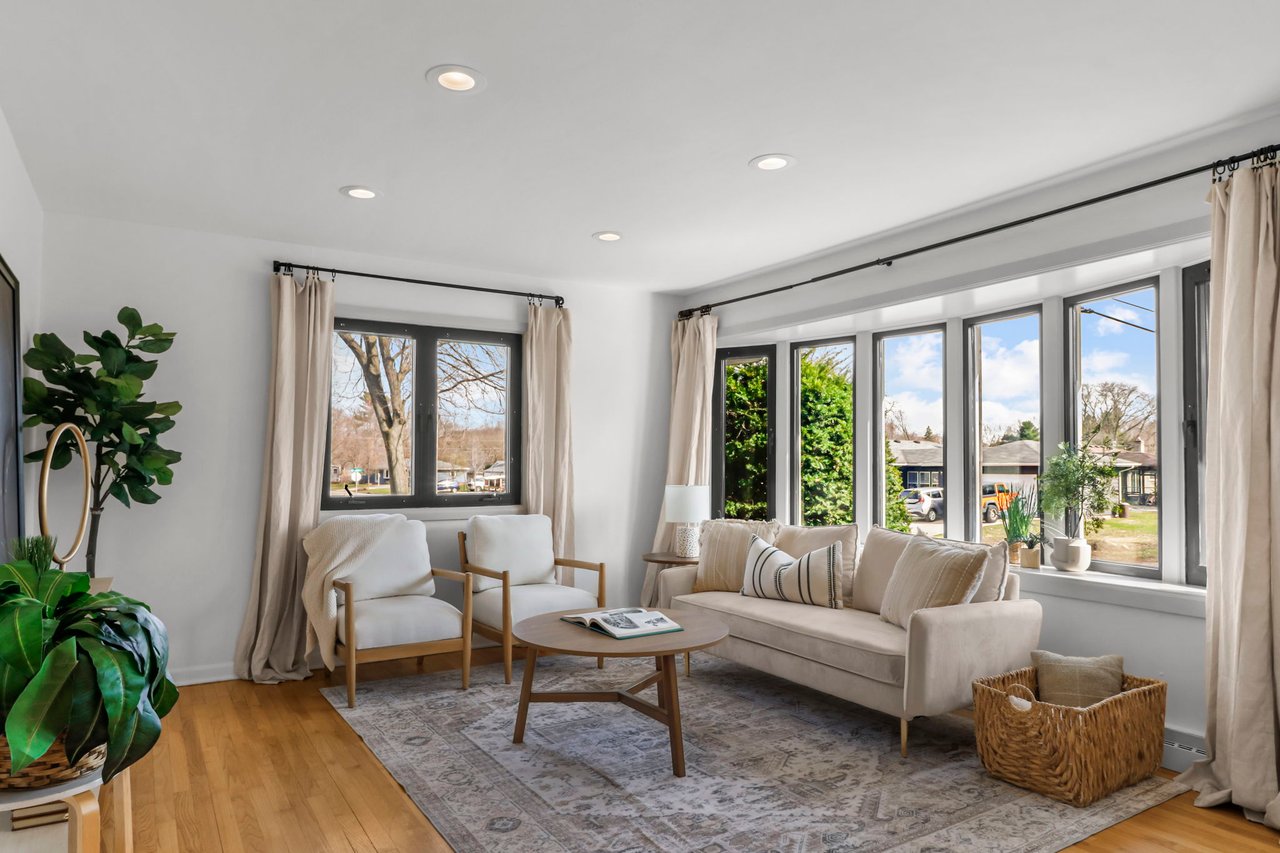
That tells you something important. Sometimes a lighter-touch plan is enough, especially if your home already has strong architecture and good natural flow. A well-edited living room, clean surfaces, simplified decor, and a few carefully chosen accessories can go a long way.
Make photos the priority
If you do only one marketing step well, make it photography. The NAR staging report found that buyers’ agents ranked photos as the most important listing media asset, ahead of physical staging, videos, and virtual tours.
For a Nakoma character home, strong photography should do more than document rooms. It should tell the architectural story of the property.
What buyers should see in photos
Your listing photos should capture:
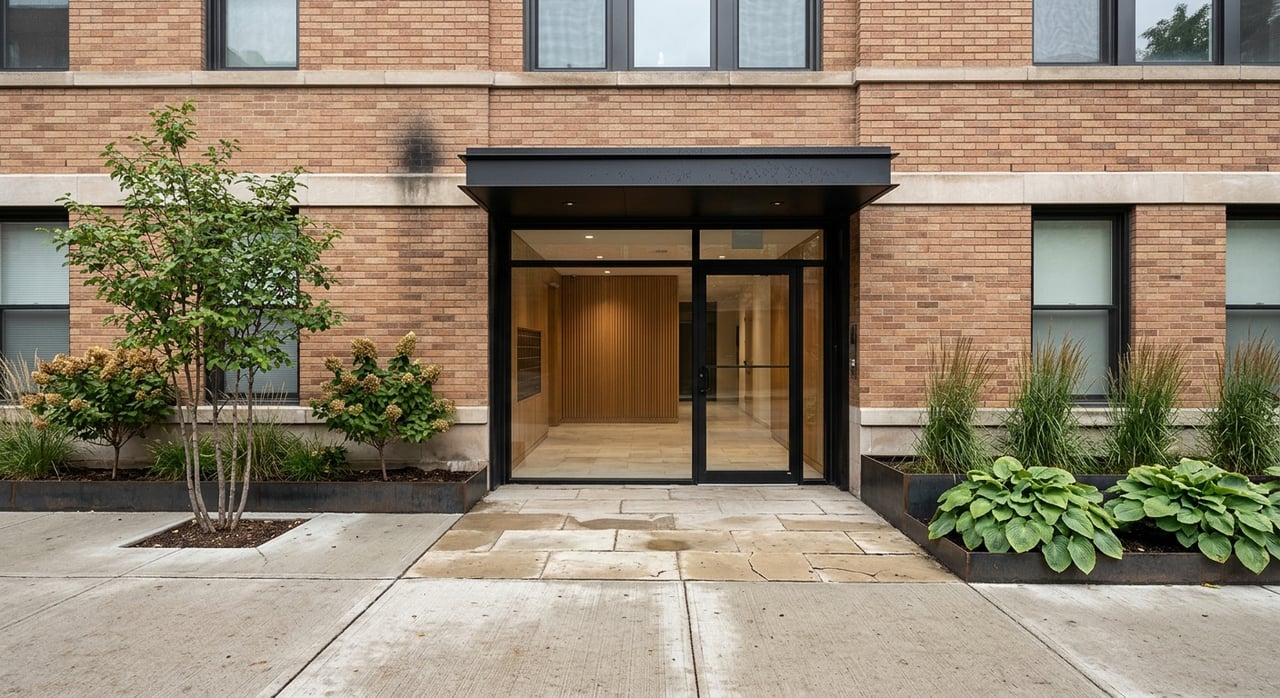
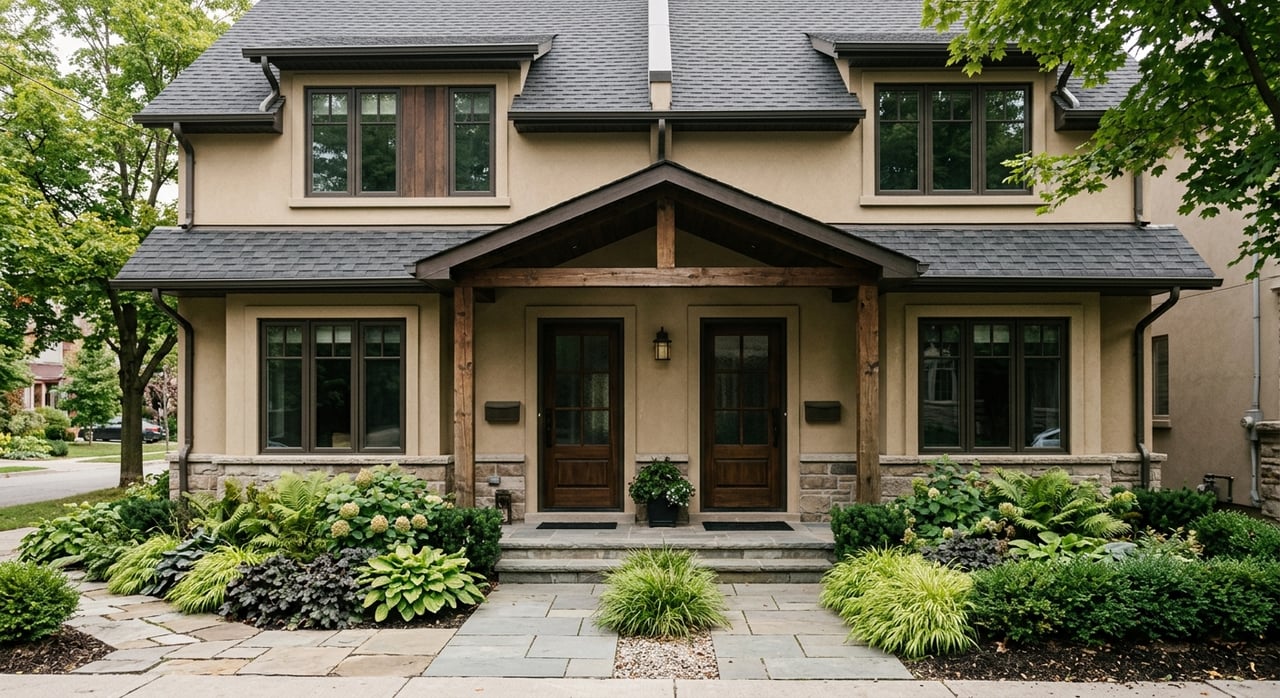
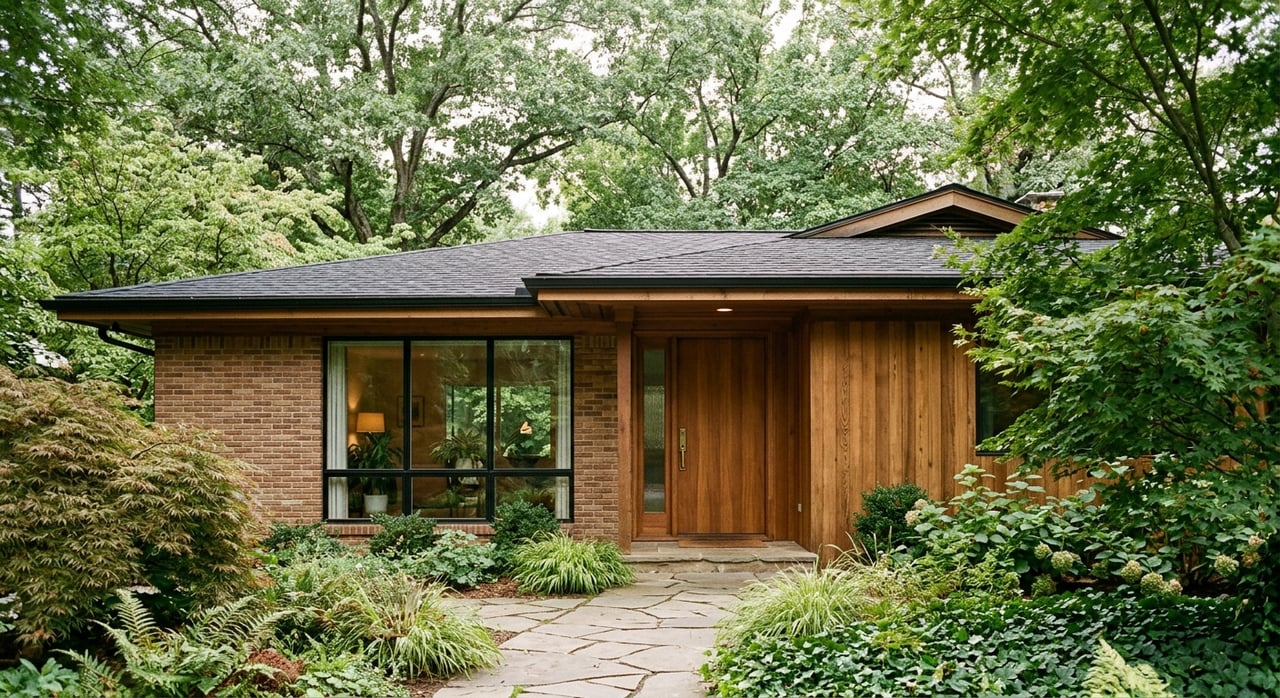
- Exterior views that show roofline, facade, and streetscape
- Wide interior shots that show scale and flow
- Original doors, windows, staircases, plaster details, or other defining features
- Key staged rooms with clean lines and balanced light
Video and virtual tours can add value, but they work best as support. They do not replace well-composed still photography.
Avoid the most common seller mistakes
Character homes often lose appeal when sellers try to make them look too generic. The goal is not to erase age. The goal is to show care, function, and timeless style.
Here are a few mistakes to avoid:
- Replacing original elements before exploring repair options
- Choosing paint or finishes that flatten trim and architectural contrast
- Overfurnishing rooms and blocking sightlines
- Spending heavily on secondary spaces before the main living areas are presentation-ready
- Rushing photos before repairs, decluttering, and staging are complete
In Nakoma, presentation works best when it respects what the house already is.
Sell the story, not just the square footage
A character home in Nakoma deserves more than a standard listing approach. The most effective sale strategy usually blends preservation-minded prep, intentional staging, and marketing that helps buyers understand what makes the home unique.
That is where design-led guidance can make a real difference. If you are thinking about selling, Husky Homes can help you create a clear plan for repairs, staging, and launch timing so your home enters the market with confidence. If you are ready to take the next step, you can Request a Free Home Valuation and start with a strategy built around your home’s character.
FAQs
Does National Register status in Nakoma require me to restore everything before selling?
- No. The Wisconsin Historical Society says National Register listing is largely honorary for private owners and does not itself impose restrictions, though additional local rules may apply in some cases.
Which rooms should I stage first in a Nakoma character home?
- The NAR 2025 staging report found that living rooms, primary bedrooms, dining rooms, and kitchens were the most commonly staged rooms.
Is virtual staging enough for selling a historic-style home in Nakoma?
- Usually not. The same NAR report found that buyers’ agents ranked photos and traditional physical staging ahead of virtual tours.
What original features should I keep in a Nakoma character home before listing?
- Prioritize preserving doors, sidelights, transoms, windows, decorative plaster, and original light fixtures whenever possible, based on guidance from the Wisconsin Historical Society.
When should I start preparing a Nakoma home for sale?
- If possible, start 6 to 18 months ahead by addressing maintenance first, then cosmetic updates, and then staging and photography last so the home is fully ready for market.