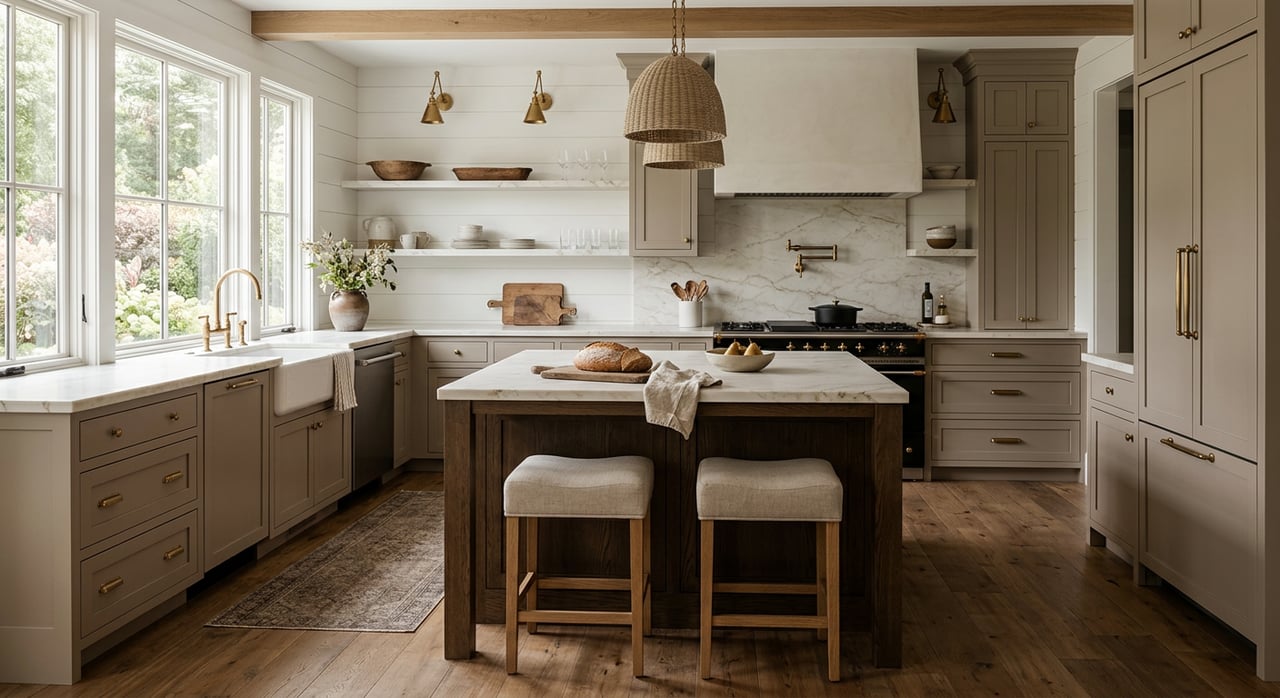
Outgrowing your current place in Middleton and craving more space, style, or a shorter to-do list? You are not alone. Many local homeowners consider a move-up when they need another bedroom, a bigger kitchen, or a newer home that limits weekend projects. In this guide, you will see how different Middleton neighborhoods compare, what home sizes and lot types to expect, and how to plan your timing so you can buy with confidence. Let’s dive in.
Middleton move-up market at a glance
As of late 2025, Middleton’s median sale price sat in the low to mid $500,000s, with months of supply around 2 to 2.5 and median days on market under a month. These seller-leaning conditions mean desirable listings can draw multiple offers and move quickly. You will want a clear plan for financing and timing. See the latest local snapshot in this Middleton market update.
The City reports about 3,400 housing units as of 2022 and a high owner-occupancy share near 86 percent, with a large share of single-family homes. That matters because most move-up buyers are trading into another owner-occupied single-family property, not a large pool of rentals. You can review stock and tenure insights in the city’s Housing Affordability Report.
Finally, Middleton’s planning documents point to limited greenfield capacity within current city limits. Most recent subdivisions are platted through planned development approaches, which affects where and how often larger-lot or high-end homes appear. Availability can hinge on new phases and small pockets of buildable land, as noted in the city’s Comprehensive Plan update.
Who is moving up and when
Common triggers include needing three or more bedrooms and a yard, wanting a modern kitchen and finished lower level, one or two home offices, a larger attached garage, or the desire to skip a major renovation by buying newer construction. These needs line up with Middleton’s mix of older downtown homes, mid-suburban 1980s–2000s neighborhoods, and newer west-side builds documented in the city’s housing report.
Timing matters in a fast market. When inventory runs tight, you may need a stronger plan around contingencies, bridge financing, and clean offer terms. Some buyers choose price bands or neighborhoods with slightly more supply to reduce pressure. For week-to-week data and strategy, check a current MLS snapshot and this recent market update.
Your Middleton move-up paths
In-town and East End historic core
Around Parmenter and Hubbard and the East End historic area, you will find older homes in walkable blocks near downtown shops, restaurants, and community events. Architecture includes bungalows and Colonial or Tudor revival styles, as described for the East End Historic District. Typical lots are smaller, often a quarter acre or less, and many homes range from about 800 to 1,800 finished square feet. If you are moving up from here, you may trade some walkability for a larger kitchen, an extra bedroom, a full basement, and more yard.
Established suburban neighborhoods: Stonefield, Foxridge, Northlake
Platted mainly in the 1980s through the 2000s, these neighborhoods offer curving streets, sidewalks, and mid-size yards. Stonefield, which has an active neighborhood association, is a good example of the area vibe and community resources (Stonefield Association). Homes here often measure 1,800 to 3,000 or more finished square feet on lots around 0.2 to 0.4 acres. Interiors can be open yet may benefit from targeted updates such as kitchen refreshes, bath upgrades, or basement finishing.
Middleton Hills and the Pheasant Branch corridor
Middleton Hills is a design-forward, planned neighborhood that follows New Urbanism principles. You will see architect-led homes with Prairie and Craftsman influences, front porches, and paths that connect to the Pheasant Branch Conservancy. Many homes offer premium finishes and typically range from about 2,500 to 4,000 or more finished square feet. Learn more about the area’s plan and amenities on the Middleton Hills site.
West side, Greenway Station area, and recent subdivisions
The west side near Parmenter Road, Greenway Center, and the Beltline has added newer residential options, anchored by the Greenway Station retail and dining node. You will find a mix of small-lot eco developments and larger custom-lot subdivisions, as noted on the Middleton city page. One example is Belle Farm, a newer eco‑wellness concept where lots can be compact, yet homes feature modern layouts and energy-forward systems. Marketing materials for current lots highlight small custom lots near 0.1 to 0.12 acres and plans from about 1,200 to over 4,000 square feet, with geothermal or solar-ready options in some cases (Belle Farm lot details).
Larger-lot and estate pockets on the edges
At city edges and in adjacent townships, you can find scattered larger lots of 0.5 acre or more and custom builds. Buyers choose these areas when privacy, space for hobbies, and room for accessory structures are priorities. Supply is limited and tends to come on in small numbers, so having alerts set and a fast showing plan helps.
How much bigger will you go? Typical sizes
Approximate ranges based on common Middleton move-up steps in 2025:
- Older in-town home: about 800 to 1,800 finished sq ft; lot sizes around 5,000 to 10,000 sq ft.
- Established suburban move-up: about 1,800 to 3,000+ finished sq ft; lots roughly 0.18 to 0.4 acres. Expect larger primary suites, larger kitchen footprints, and finished basements.
- Middleton Hills or custom builds: about 2,500 to 4,500+ finished sq ft with design-focused lots in a walkable grid and higher-grade finishes.
- Eco or small-lot new builds: lots near 0.08 to 0.12 acres, efficient systems, and clean, modern layouts. See the Belle Farm example for context (neighborhood listing details).
A common step-up looks like this: from a 1,200-sq-ft bungalow on a 7,000-sq-ft lot to a 2,800-sq-ft four-bedroom on about 0.3 acres in an established subdivision.
Resale factors that matter in Middleton
Several factors tend to support pricing when it is time to sell again:
- Schools and boundaries. The Middleton‑Cross Plains Area School District publishes strong official performance information, and proximity to schools is a frequent consideration for buyers. See district updates and reports from MCPASD’s official site, such as this district news article.
- Location anchors. Close access to downtown amenities, the Pheasant Branch Conservancy and trail network, and the Greenway Station retail area can influence value. The Middleton city page gives useful context on these anchors.
- Lot and plan flexibility. Zoning and recorded covenants in many single-family areas preserve neighborhood character and can limit future densification. The City’s Housing Affordability Report is your best reference for policy context.
- Market-cycle sensitivity. Upper price tiers can be more volume‑sensitive when the market slows. Months of supply by price band can change quickly, so use current MLS data and this recent market update as a check.
Plan your move-up: steps and financing
Use this simple framework to reduce stress and keep leverage high:
- Get your valuation and timeline. Ask for a data-backed price range for your current home and an up-to-the-week view of your target neighborhoods.
- Choose your financing path. Options include sell then buy, buy then sell with a bridge, or carry two mortgages for a short period. In a fast market, pre-approval and clear timing matter. Talk through risks and contingency planning using current days-on-market and inventory data from the latest local report.
- Prep your current home for top dollar. Strategic updates and accredited staging can lift your net. Compass Concierge can help fund and manage pre-listing improvements so you launch fast and polished.
- Lock your target areas and must-haves. Decide how you will trade off yard size, finish level, commute time, and energy features.
- Execute your search and offer plan. Use fast alerts, tight showing windows, and clean terms that fit your risk tolerance and timeline.
Quick match guide: needs to neighborhoods
- Want more bedrooms, a bigger yard, and a finished lower level: look at established areas like Stonefield, Foxridge, and Northlake.
- Value design, trails, and walkability: explore Middleton Hills and the Pheasant Branch corridor.
- Prefer new systems and modern layouts, and can trade a smaller lot: consider west‑side new-build options such as Belle Farm and nearby subdivisions.
- Need privacy or room for hobbies: target larger-lot pockets at the city’s edges or adjacent townships.
- Want to stay close to downtown: consider a renovated larger home within the in‑town grid or a newer west‑side home with a short drive to Parmenter and Hubbard.
Final thoughts and next steps
Middleton offers a clear set of move-up paths, each with different trade-offs in size, lot type, and lifestyle. Because the city has limited greenfield capacity and new phases come online in small waves, availability can shift quickly. Keep one eye on the planning context with the city’s Comprehensive Plan update and use fresh MLS data when you are ready to act.
If you are mapping your move-up, we can help you price, prep, and time the transition so you land the right home without leaving money on the table. Reach out to Husky Homes to compare neighborhoods, get a strategy for financing and timing, and Request a Free Home Valuation.
FAQs
What is a “move-up” home in Middleton and how big is it typically?
- In 2025, many move-up purchases land around 1,800 to 3,000+ finished sq ft in established suburbs, or 2,500 to 4,000+ sq ft in design-forward areas like Middleton Hills.
How competitive is the Middleton market for move-up buyers in 2025?
- Late‑2025 data shows low months of supply and fast days on market, which means strong buyer demand and quick sales for desirable homes, per this market update.
Should I sell my current Middleton home before buying my next one?
- Selling first simplifies financing, while buying first may require a bridge or carrying two mortgages for a short time; in a tight market, align timing, contingencies, and pre-approval with current data.
Which Middleton areas tend to support resale when upsizing?
- Proximity to schools, downtown, the Pheasant Branch Conservancy, and Greenway Station often supports pricing, as noted by MCPASD and the city context on Middleton and MCPASD.
How do lot size and finishes affect move-up value in Middleton?
- Buyers commonly pay more for usable lot area, updated kitchens and bathrooms, added finished living space, and energy-efficient systems, which newer eco-focused builds often highlight (example features).
Where can I find the latest Middleton housing data before I make an offer?
- Pair a fresh CMA from your agent with an up-to-date MLS snapshot and review a current Middleton market report for recent pricing, supply, and days-on-market trends.