Snow, ice, and sub-zero temps can stall even the best repair plans in Fitchburg. If you’re trying to close but a roof patch, septic fix, or driveway work has to wait until spring, you still have options. An escrow holdback can keep your timeline on track while protecting both sides. In this guide, you’ll learn how escrow holdbacks work in Wisconsin, what to include, and how to size and time them for winter-delayed repairs in Dane County. Let’s dive in.
What an escrow holdback is
An escrow holdback is money set aside at closing to guarantee that specific repairs will be completed after you take ownership. A neutral third party holds the funds and releases them when the agreed work is done. This approach helps you close on time when weather blocks exterior work.
Both buyers and sellers benefit. Buyers gain assurance that needed repairs will be funded. Sellers avoid postponing closing until spring by agreeing to complete or fund repairs later under clear terms.
Why winter repairs trigger holdbacks in Fitchburg
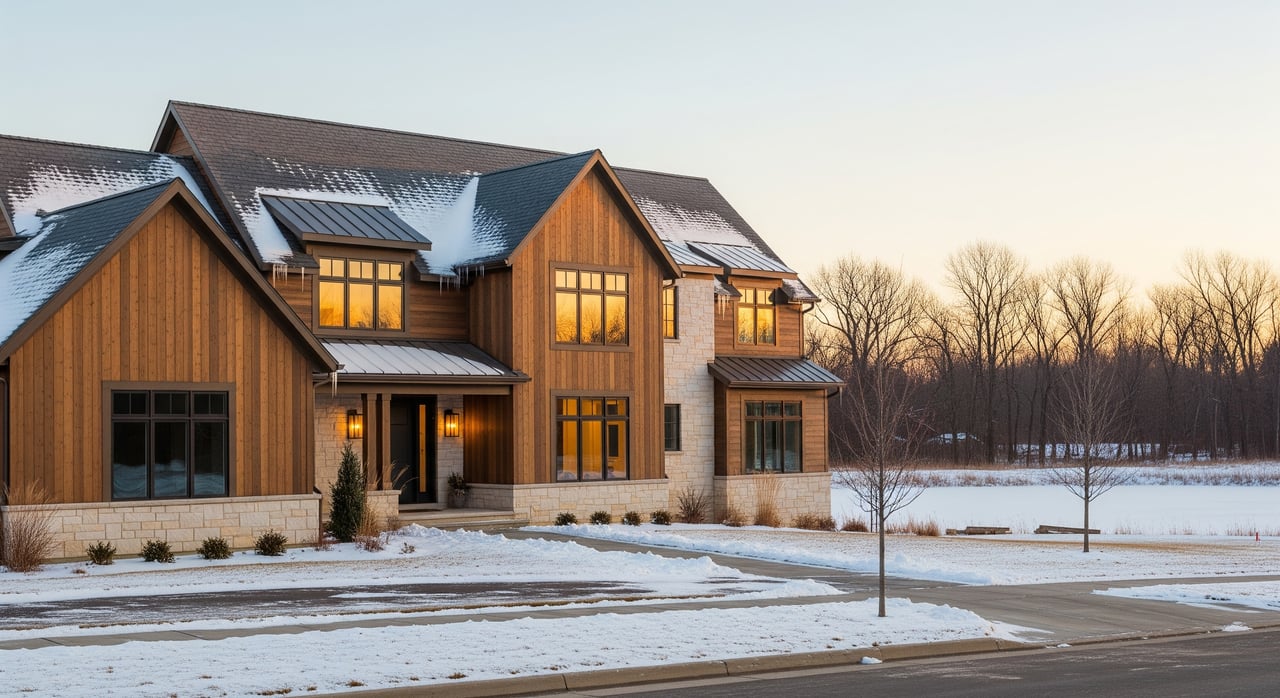
Wisconsin’s cold climate limits exterior work for months. In Fitchburg and across Dane County, contractors often pause projects when temperatures fall or snow piles up. Materials do not set or cure properly in the cold, and safety can be a concern.
Common winter-limited items include:
- Roof repairs or partial replacements delayed by snow and cold
- Exterior masonry and mortar work that needs above-freezing curing
- Asphalt patching or sealing that won’t bond at low temperatures
- Septic system repairs restricted by frozen ground and local rules
- Grading and drainage corrections that must wait until thaw
- Sidewalk, step, or handrail fixes blocked by ice and snow
- HVAC and frozen plumbing issues that need full-system tests once it warms
How a holdback works in Wisconsin
You and the other party identify the specific work, estimate the cost, and agree on a holdback amount. Funds are placed with a neutral escrow holder at closing. Release happens only after the work meets the acceptance criteria in your written agreement.
Typical steps:
- Identify the exact repairs and gather bids or credible estimates.
- Agree on the dollar amount, a realistic completion deadline, and what proofs are required for release.
- Deposit the funds with the title company, closing agent, or attorney at closing.
- Release the money upon completion documents, final inspections, or a signed mutual release.
How to size the holdback
Start with contractor bids or a reliable estimate. Add a buffer to cover surprises. A common practice is a contingency of about 10 to 25 percent, depending on complexity and risk. For small items, a fixed dollar amount may be fine. For roofs, septic systems, or structural work, plan for a larger holdback tied to firm bids.
Aim to keep the amount sufficient to hire another contractor if needed. The goal is to ensure the work can be completed without going back to the negotiating table.
Write clear instructions in the contract
Holdbacks need to be in writing. Use the offer, an addendum, or a separate escrow agreement to capture the details. Spell out who holds the funds, what must be done, how long it should take, and exactly what proof is required for release.
Include:
- Precise description of each repair, location, materials, and standards
- Cost estimates plus a stated contingency or fixed buffer
- A clear deadline and how weather or permit delays may extend it
- Escrow holder name and account instructions
- Required proof for release, like invoices, photos, final permit sign-off, or warranties
- Dispute process if quality or completion is questioned
- Allocation of escrow fees and any interest
Timelines that work in winter
Pick a deadline that reflects Fitchburg’s winter conditions. Many agreements run through the next workable construction season. Some use a fixed date. Others reference a milestone like the first or second spring thaw. Build in an extension process for weather or slow permits so no one is forced into unsafe or noncompliant work.
You can also set staged releases. For example, half the funds upon substantial completion and the rest after final inspector or permit sign-off.
Who holds the funds
Funds are typically held by the title company or closing agent. In some cases, an attorney or a broker’s escrow account may be used if permitted. Your agreement should name the holder, outline their procedures and fees, and state how any interest is handled.
Ask the holder about documentation standards before you sign. That way you know exactly what to provide when the work is done.
Protecting yourself after closing
Remember that ownership transfers at closing. If the seller agrees to finish repairs later, the escrow holdback protects you by reserving funds for the work. Still, escrow guarantees funding, not workmanship.
To improve quality control:
- Require licensed contractors where required by law
- Tie release to final municipal inspections or permit approvals
- Request invoices that separate labor and materials
- Consider a short warranty period or a small retention until final sign-off
Negotiation tips for buyers
- Get two bids if possible. Use credible estimates, not guesses.
- Tie release to specific proofs, like final permit sign-off when permits are needed.
- Set a realistic deadline that spans spring weather.
- Keep the holdback large enough to hire someone new if the original plan falls through.
- Document current conditions with photos and the inspection report.
Negotiation tips for sellers
- Secure bids early to keep the holdback amount in line with real costs.
- Propose staged releases to show progress and reduce funds held.
- Clarify permit needs and timelines in Fitchburg or Dane County so expectations are set.
- If you plan to manage the work, provide proof of contractor licensing and insurance to build buyer confidence.
- Use clear acceptance standards to limit disputes.
Local permits and what to verify
Some work requires permits or final inspections. In Fitchburg, that often includes roofing, electrical, plumbing, septic, and certain structural or exterior projects. Confirm requirements with the City of Fitchburg Building Inspection and Code Enforcement, and check septic rules with Dane County Environmental Health.
Before you finalize the holdback terms, verify:
- Whether permits are required for the specific scope
- Typical processing times for winter and early spring
- Any seasonal limitations on inspections or ground work
- If work in the public right-of-way, sidewalks, or drive approaches needs special approvals
Practical timelines and release proof
Weather-dependent work often needs flexibility. Put it in writing. If winter slows inspections, your agreement can allow extra time. Make the proof of completion clear and easy to collect so no one is stuck waiting.
Common release proofs include:
- Contractor invoices and paid receipts
- Before-and-after photos with dates
- Final municipal inspection reports or permit sign-offs
- Contractor warranty documents when appropriate
Common pitfalls to avoid
- Vague scope. Be specific about materials, locations, and standards.
- No contingency. Winter surprises happen. Add a buffer to the amount.
- Unclear deadlines. Set a realistic date and a plan for weather or permit delays.
- Missing permit checks. Confirm requirements before you draft the agreement.
- Quality disputes with no process. Add an independent inspection option or simple dispute path.
How Husky Homes can help
You deserve a smooth winter-to-spring handoff. Husky Homes brings a curated vendor network, renovation advising, and a tech-forward process to help you price work accurately, set realistic timelines, and coordinate next steps with your title partner. If you are preparing to list, we can also leverage Compass Concierge for approved pre-listing improvements so you enter the market with confidence.
Whether you are buying or selling, we help you set clear terms, verify local requirements, and keep your closing on track. Ready to talk through your situation and next steps? Connect with Husky Homes.
FAQs
What is an escrow holdback in Fitchburg home sales?
- It is money held by a neutral party at closing to ensure specific repairs are completed after closing when winter conditions delay work.
Why are winter repairs a common reason for holdbacks?
- Cold temperatures, snow, and ice limit exterior work like roofing, asphalt, septic, and masonry, so repairs often move to spring.
Who actually holds the money in Wisconsin?
- Typically the title company or closing agent holds the funds under written instructions; sometimes an attorney or broker escrow is used.
How is the holdback amount set for a Fitchburg home?
- It is based on contractor bids or reliable estimates plus a contingency, often 10 to 25 percent depending on the repair’s complexity.
How long are funds usually held for winter-delayed work?
- Until completion and acceptance. For weather-dependent items, the deadline often extends into the next workable construction season.
What if the seller does not finish the repairs after closing?
- If the agreement allows, the buyer can use escrowed funds to hire a contractor and complete the work, following the dispute process if needed.
Does escrow guarantee quality of repairs?
- No. It guarantees funding. To verify quality, require licensed contractors, municipal permit sign-off when needed, and independent verification.
Which local offices should I contact about permits?
- Check with the City of Fitchburg Building Inspection and Code Enforcement for building permits and with Dane County Environmental Health for septic rules.