Is your Dudgeon‑Monroe home rich with original woodwork, built‑ins, and period charm, but you are not sure how to price it? You are not alone. Historic and older homes require a different playbook than newer builds, and getting it right can protect your time and your net. In this guide, you will learn what drives value, how to use market data the right way, which financing and regulations matter, and how to position your home for a strong result. Let’s dive in.
Confirm historic status
Before you price, confirm exactly how your property is classified. The rules and buyer expectations can differ if your home is formally designated or simply older with period features.
- Check whether your home is in a locally designated historic district or is individually landmarked.
- Verify if it is listed on the National Register of Historic Places or recognized by the Wisconsin Historical Society.
- Note any preservation easements or recorded restrictions that could limit exterior changes.
- Review current local market conditions for Dudgeon‑Monroe through the local MLS and county assessor records, including inventory, days on market, and list‑to‑sale price trends.
Getting this right early helps you set realistic expectations on pricing, timelines, and buyer interest.
Key value drivers
Pricing a historic home depends on more than size and bedroom count. The details below carry real weight with buyers and appraisers.
Architectural integrity and provenance
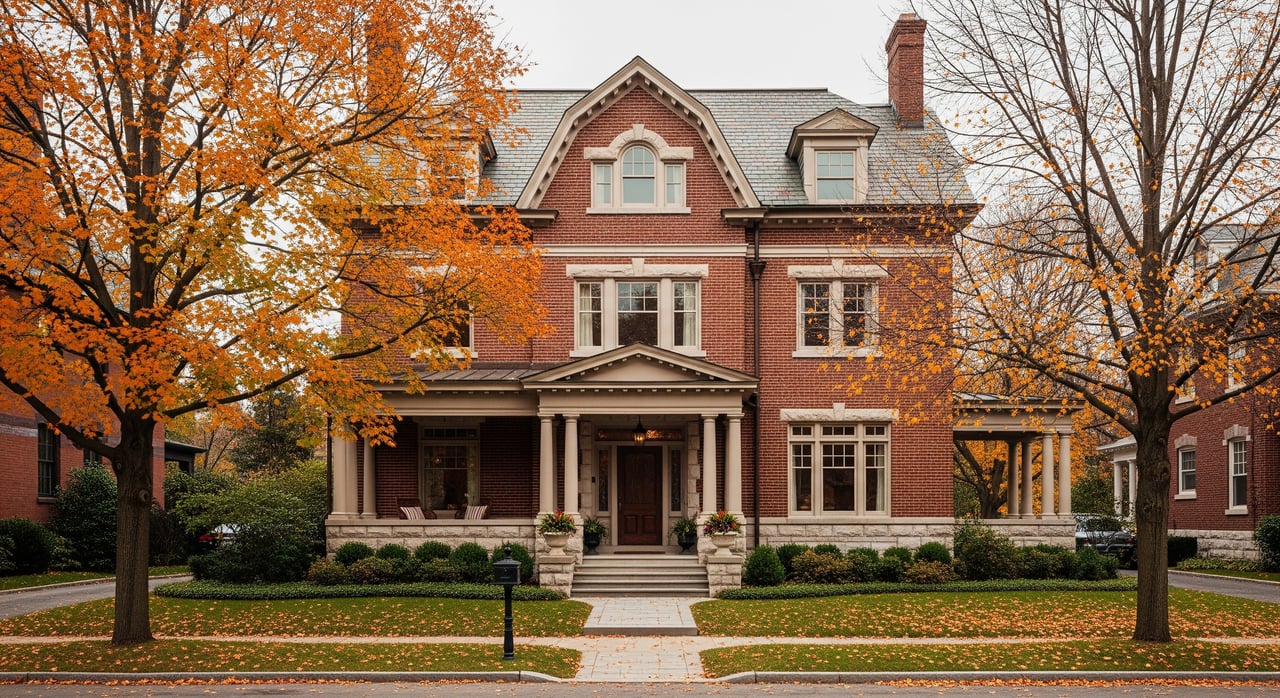
Homes that retain original materials and period details tend to stand out. Architectural integrity can include original trim, moldings, fireplaces, built‑ins, and historic windows. Documented provenance, such as the original architect or notable past owners, and historic photographs can create added appeal for buyers who value authenticity.
Condition and systems
Structure and safety come first. Foundations, roofs, chimneys, electrical, plumbing, and HVAC systems influence price more than cosmetic finishes. Hidden hazards like lead paint, asbestos, and knob‑and‑tube wiring can affect buyer confidence and repair budgets, so plan for targeted inspection of older mechanicals and materials.
Designation and restrictions
Local landmark status or placement in a historic district can require design review for exterior changes. That can impact a buyer’s renovation plans, timelines, and costs, which in turn influences offers. If a preservation easement exists, buyers will factor those limits into price.
Scarcity and comparability
Dudgeon‑Monroe has a niche inventory of historic homes. Scarcity can create premiums for well‑preserved properties in desirable locations. If significant rehabilitation is needed, buyers often apply discounts to account for costs and risk.
Functional utility and modern needs
Buyers consider how a home lives day to day. Smaller closets, older floor plans, and energy inefficiencies can reduce appeal unless you have made sensitive updates. Thoughtful modernization that preserves character can support higher pricing.
Lot and location context
Location still matters. Proximity to parks, transit, employment centers, and the University of Wisconsin–Madison, along with overall neighborhood context, can influence demand in Dudgeon‑Monroe.
Build your pricing file
A strong pricing strategy starts with organized documentation. Create a file you can share with your agent, appraiser, and serious buyers.
- Historic records: designation documents, inventory forms, and any historic photos.
- Renovation history: invoices, contractor licenses, permits, and warranties for past work.
- Condition reports: a pre‑listing inspection by a professional who understands older construction, plus targeted evaluations of foundation, roof, masonry, chimneys, and mechanicals.
- Cost estimates: at least two contractor bids for any known restoration or repair items, with line‑item detail and a contingency for unknown conditions.
Being transparent about condition and costs can reduce buyer uncertainty and support a stronger list price.
Use market data wisely
Historic homes do not price by simple averages. Use data, but apply judgment that fits older properties.
Find the right comps
Start with recent sales of similar age, style, and condition in Dudgeon‑Monroe. If there are too few, look to adjacent historic neighborhoods and adjust for neighborhood differences. Keep your comp set small and relevant.
Adjust for condition
Compare major cost items across comps. If your roof, systems, or masonry require work, subtract realistic repair costs based on contractor bids when evaluating where your home fits.
Avoid price‑per‑square‑foot traps
Older homes often have unique features that do not scale with square footage. Focus on the whole property: integrity, renovations, and livability, not just size.
Track market pace
Monitor months of supply, list‑to‑sale price ratios, and days on market for the neighborhood. These trends help you decide whether to price for a premium, price to drive multiple offers, or leave room for negotiation.
When comps are thin
If comparable sales are scarce, use additional approaches.
- Cost approach: Estimate land value plus replacement or restoration cost for significant features, then subtract depreciation. This can help frame value for unique properties.
- Income approach: If the property has rental potential or mixed use, consider valuation based on potential income. This is uncommon for single‑family homes but can be relevant in special cases.
- Historic‑savvy appraiser: Engage an appraiser with experience in older Madison homes who can balance data and qualitative factors.
Financial and legal factors
Certain programs, loan options, and regulations can shape both pricing and buyer pool.
Tax credits and incentives
The federal Historic Rehabilitation Tax Credit is designed for certified rehabilitation of income‑producing historic structures. Owner‑occupied single‑family homes typically do not qualify. State or local incentives can change over time. Verify eligibility and current rules with the Wisconsin Historical Society and the relevant municipal offices before you rely on any benefit in your pricing.
Renovation financing
Buyers may use rehab mortgage products that roll improvements into the loan. Common options include FHA 203(k) loans, Fannie Mae HomeStyle Renovation, and conventional renovation loans. These programs can expand the buyer pool for homes needing updates.
Insurance considerations
Historic materials can raise replacement costs. Some carriers will require replacement‑cost estimates or specialty coverage. Availability and cost of insurance can influence a buyer’s decision and should be considered during pricing.
Required disclosures
If your home was built before 1978, federal lead‑based paint disclosure requirements apply in most private sales. Disclose any preservation easements, restrictions, or local design review requirements that could affect renovations. Clear disclosure builds trust and reduces surprises during negotiations.
Smart listing strategy
A solid listing plan supports your price and helps buyers see the full value of your home.
Price premium vs discount
- Well‑preserved, updated homes often command a premium due to scarcity and character.
- Homes with significant deferred maintenance are typically priced below updated comparables. Use documented contractor bids and include a reasonable contingency to set expectations.
Reduce buyer uncertainty
Offer a pre‑listing inspection, share cost estimates for known projects, and provide permit history. This clarity can justify a higher asking price and keep negotiations on track.
Marketing that supports price
Emphasize original details, provenance, and documented restoration work. Use high‑quality photography and period‑sensitive staging that highlights character while showing livable spaces. Be clear about any benefits or restrictions tied to historic status so buyers understand obligations upfront.
Pricing workflow
Use this step‑by‑step plan to move from uncertainty to a confident list price.
- Confirm historic status, district inclusion, and any easements or restrictions.
- Gather documentation: designation records, renovation history, permits, warranties, and old photographs.
- Commission a pre‑listing inspection and obtain at least two detailed contractor bids for needed restoration.
- Pull relevant Dudgeon‑Monroe comps, then widen the search carefully if necessary and adjust for neighborhood differences.
- Adjust for condition using real cost estimates, not rules of thumb.
- Evaluate market tempo: months of supply, list‑to‑sale price ratios, and days on market.
- Consider a historic‑experienced appraiser if you face valuation uncertainty.
- Align marketing with price: staging, photography, and transparent disclosures.
- Choose a strategy: price for a premium when integrity and updates are high, or price to attract a broader pool if work remains.
Seller mistakes to avoid
- Overvaluing charm while underestimating system upgrades and structural needs.
- Pricing off price‑per‑square‑foot without adjusting for unique features.
- Skipping a pre‑listing inspection for an older home.
- Under‑disclosing restrictions or easements that will surface later.
- Assuming tax credits apply without verifying the program’s rules.
How Husky Homes helps
You deserve a pricing strategy and presentation that honor your home and maximize your result. Husky Homes pairs local market knowledge with accredited staging and design, a curated vendor network, and Compass tools that streamline preparation.
- Strategic pricing: Neighborhood‑level comps and a data‑informed plan tailored to your home’s integrity, updates, and market tempo.
- Presentation that sells: Professional staging and period‑sensitive styling to highlight original details and livability.
- Vendor coordination: Access to reputable inspectors and contractors experienced in older homes, with clear, line‑item bids.
- Concierge readiness: Compass Concierge can fund and manage pre‑listing improvements for eligible sellers, which can expand your buyer pool and support stronger pricing.
- Transparent marketing: High‑quality photography, detailed listing copy, and clear disclosure of historic status and any restrictions to build buyer confidence.
Ready to position your Dudgeon‑Monroe home for the best outcome? Reach out to the team at Husky Homes for a tailored pricing plan and a thoughtful, design‑led listing experience.
FAQs
How does historic designation affect resale in Dudgeon‑Monroe?
- Local designation or district rules can narrow or reshape the buyer pool due to exterior review requirements, yet can also attract buyers seeking authenticity; the net impact depends on local demand and rule strictness.
What costs should I plan for before listing a historic home?
- Plan for inspection, potential structural or systems work, and specialized restoration costs for items like masonry, chimneys, or historic windows, plus a contingency for unknowns.
Are there loans that include renovation for older homes?
- Yes, buyers often consider FHA 203(k), Fannie Mae HomeStyle Renovation, or conventional renovation loans that roll approved improvements into the mortgage.
Do I need special permits to change exteriors on a designated property?
- Often yes; exterior alterations in designated districts usually require review, while interior changes may not, but you should confirm with local historic preservation offices.
How is lead‑based paint handled for pre‑1978 homes?
- Federal law requires lead‑based paint disclosure in most private sales, and buyers may order inspections or risk assessments; compliance and transparency are essential.
What if there are no comparable sales for my historic home?
- Widen the search to adjacent historic neighborhoods, adjust for differences, use the cost approach for unique features, and consider hiring a historic‑savvy appraiser.