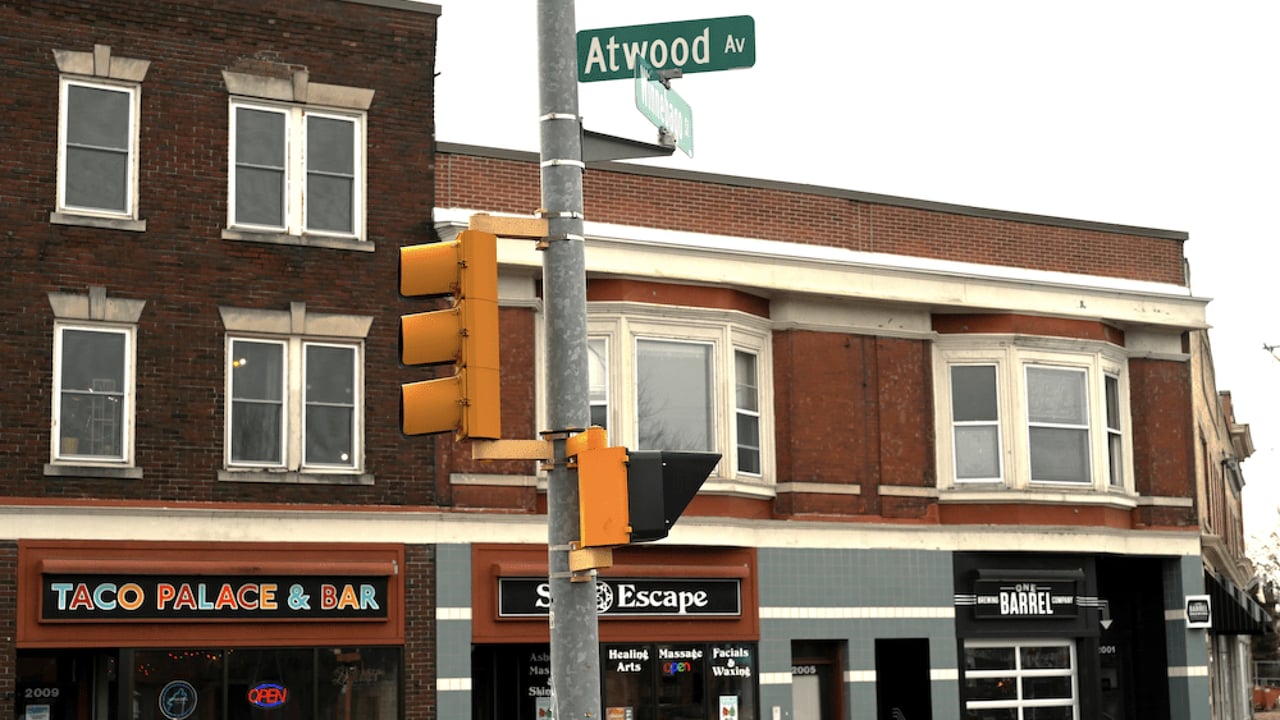
The Near East Side is one of the strongest real estate plays in Madison right now. The appreciation numbers back it up, the demand is real, and if you own here you're in a better position than you probably realize. This is the part of Madison that feels like Madison. And the data is starting to catch up to what people who live here already knew.
Madison's median sale price hit $430,000 in January 2026, up 8.6% from the year before. That's not a fluke — it reflects a city with a strong employer base, a growing population, and not nearly enough housing supply to keep pace. Dane County's median listing price crossed $458,000 by the end of 2025, and price per square foot for single-family homes has been climbing steadily.Within the Near East Side, Schenk-Atwood is one of the standout performers in the whole metro right now. The best homes go pending fast. That tells you something about where demand is concentrated.
Heading into spring, the broader picture looks like this: Dane County is expected to see about 10% more home inventory in 2026 compared to last year, and condo supply could grow by 20%. Mortgage rates are projected to stay in the low 6% range. What that means practically is that buyers have more breathing room than they did in 2022 and 2023. The frantic, no-contingency, bid-over-ask-and-hope-for-the-best environment has cooled. You can actually make a thoughtful decision now. But that doesn't mean quality inventory is sitting. It's not.
You already know what Willy Street and Atwood are. What I want to point out is what that actually means for real estate. The reason people love living in those corridors — the community, the walkability, the fact that your neighbors have been there for 20 years — is the same reason homes there hold their value and appreciate the way they do. That's not a coincidence. People want to stay, which means inventory stays tight, which means prices keep climbing.
The housing stock reinforces it. The bungalows, the Victorians, the historic districts in the Williamson-Marquette area — that architecture isn't being reproduced anywhere. When someone wants a home with real character inside the city, the options are finite, and a lot of them are right here. The historic district protections also mean the neighborhood's character stays intact long-term, which is something you can't say about most of Madison.
From what I'm seeing in the market, there are three types of buyers driving activity on the near east side right now. The first group is UW and downtown professionals who want to actually live near where they work and spend their time. A lot of them rented in the area first and decided Madison was home. The second group is move-up buyers coming from other parts of the city — people who bought out on the far east or west sides, built some equity, and now want a neighborhood with more texture. They're trading square footage for walkability and community, and they're making that trade without hesitation. The third group is out-of-market relocators from Chicago, Milwaukee, and the Twin Cities. When people moving to Madison do their research, the near east side checks boxes that newer suburban Madison simply can't.
Here's the number I keep coming back to. A recent study projects Dane County's population to grow to 887,000 residents by 2050. That's over 325,000 more people in a county that's already constrained in terms of where it can build. The Near East Side is fully built out, historically protected in significant portions, and sits close to downtown. Scarcity plus sustained demand is not a complicated equation. The people who buy there now are going to look back on this as an obvious decision.
Spring 2026 is a real window. More inventory is hitting the market, buyers have more options, and the panic bidding is gone. But the underlying fundamentals like employment, population growth,and limited supply in walkable urban neighborhoods haven't changed. Quality homes in Schenk-Atwood, Willy Street, and Tenney-Lapham are still getting multiple offers when they're priced right.
If you're a buyer and the near east side is on your radar, stop waiting for rates to do something dramatic. The buyers who consistently build wealth in this market are the ones who buy the neighborhood and refinance later when rates drop. The neighborhood isn't going to get cheaper while you wait.
If you own a home on the near east side and you've been thinking about selling, you're sitting on something people actively compete for. Demand from qualified buyers is real, and spring typically brings the most active buyer pool of the year. Now is a smart time to at least get an honest picture of what your home is worth. Either way, reach out and I will be more than happy to answer any questions you might have.
-By: Akeem Harper