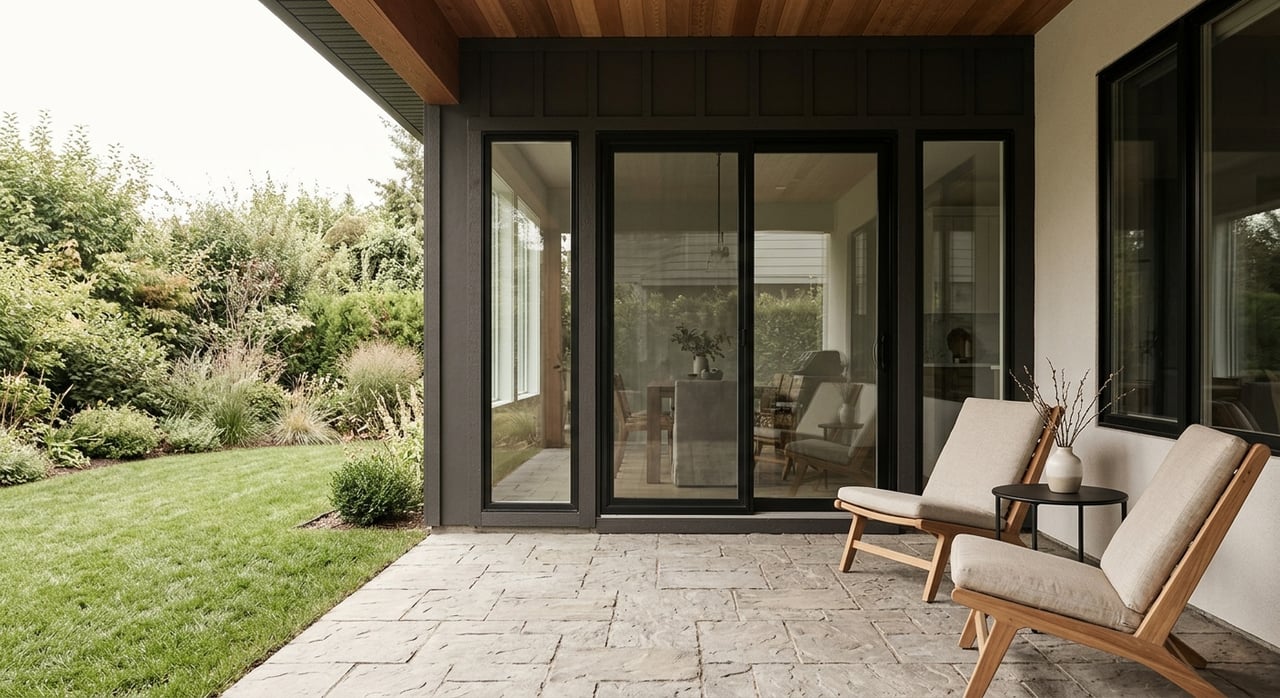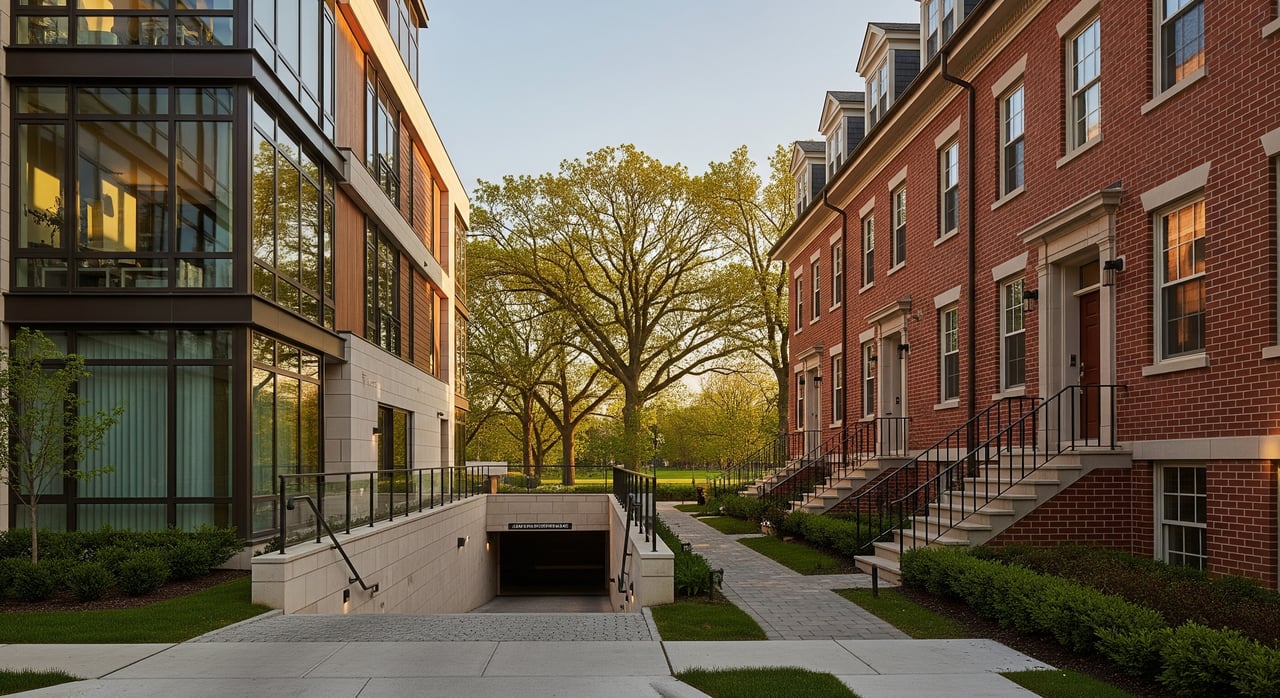
Torn between a condo and a townhome in Middleton? You are not alone. The right choice comes down to how you want to live, what you want to maintain, and how you plan to finance your purchase. In this guide, you will learn the real differences in ownership, costs, rules, and lifestyle so you can move forward with confidence. Let’s dive in.
Quick definitions in Wisconsin
What is a condo?
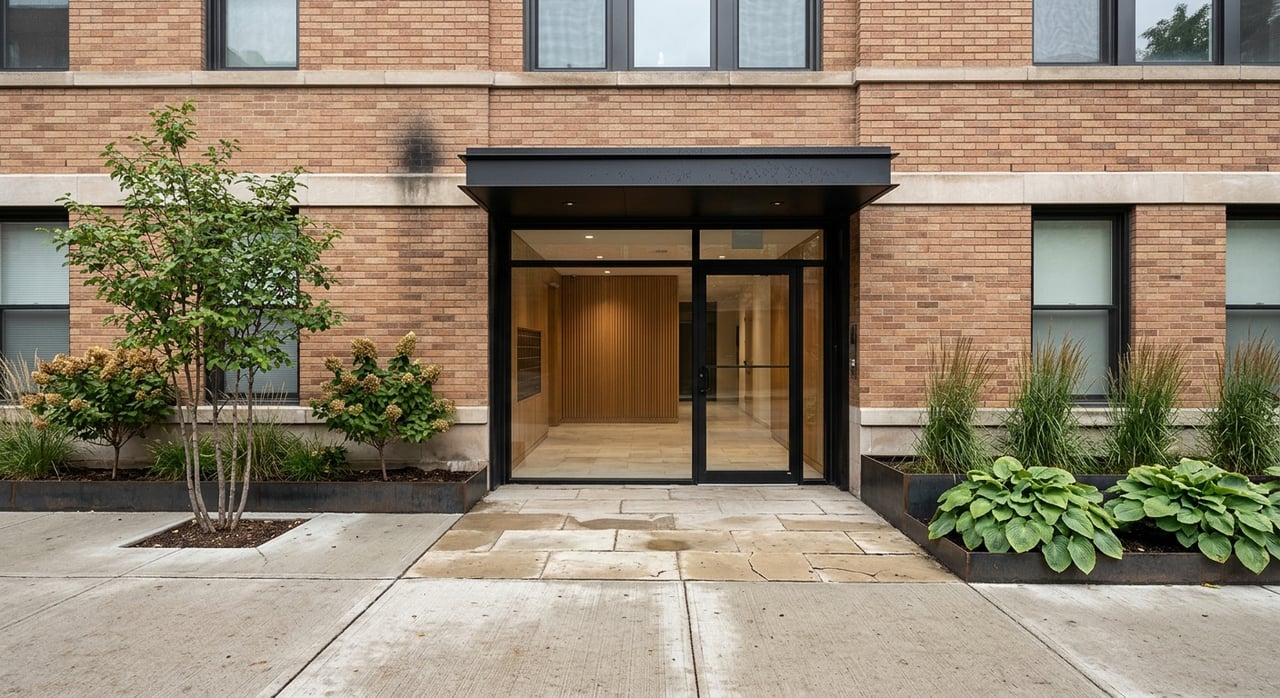
A condominium is an ownership structure where you own the interior of your unit and an undivided share of the common elements such as the roof, exterior, grounds, parking, and amenities. A condominium association manages those common areas through recorded documents like a declaration, bylaws, and rules. In Wisconsin, condos are governed by the Condominium Ownership Act, Wis. Stat. ch. 703. Owners typically carry HO-6 insurance for interior improvements, personal property, and liability, while the association insures common elements and usually the building exterior per the declaration.
What is a townhome?
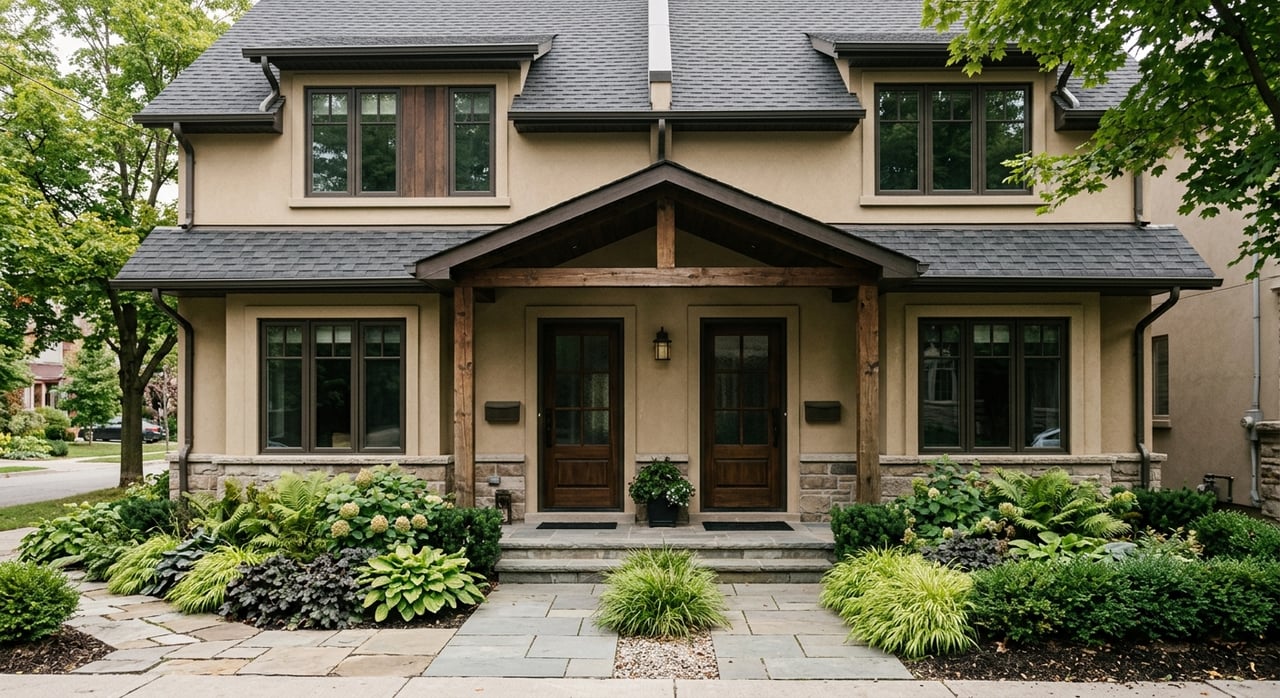
A townhome usually means you own the entire attached structure and the land underneath it, often called fee-simple ownership. Many townhome communities also have an HOA that maintains shared areas and may handle some exterior items. Some “townhomes” are set up as condominiums with vertical units, so the legal structure varies by community. Insurance is typically a full homeowners policy that covers the whole structure, though the exact coverage depends on what the HOA maintains.
Why labels can mislead
The words condo and townhome are not guarantees of a specific legal setup. The recorded declaration and covenants define what you own and who maintains what. Always review the declaration, bylaws, and rules to confirm boundaries, responsibilities, and restrictions before you write an offer.
Local context in Middleton
Middleton sits just west of Madison with quick access to employment centers, UW–Madison, and major highways. Condo inventory and townhome inventory can shift by season and by development, with many new townhome communities and infill condo projects near downtown and along transit corridors. The Middleton-Cross Plains Area School District and proximity to parks and retail often influence where buyers focus. For price and trend data, rely on current local MLS and Dane County records rather than a single static number.
Cost comparison: what to expect
Monthly and annual costs
- HOA fees: Confirm what is included. Typical line items are exterior insurance, roof and siding upkeep, landscaping, snow removal, trash, reserves, and amenities. Condos often include more exterior costs. Some townhome HOAs cover only common areas.
- Utilities: Condos may bundle certain utilities into dues. Townhomes are commonly separately metered for gas, electric, and water. Verify with the listing and association documents.
- Property taxes: Both condos and townhomes are assessed and taxed based on value through Dane County. Owning land versus owning a unit interest does not change how taxes are assessed.
- Insurance: Condo owners usually carry HO-6 policies, which can cost less than full-structure policies because the association insures the exterior per the declaration. Townhome owners often insure the entire structure. Always check the master policy type and deductible.
- Maintenance: Condos shift exterior upkeep to the association. Townhome owners may take on more exterior maintenance unless the HOA covers it.
One-time and transaction costs
- Special assessments: Associations can levy assessments for capital projects like roofs or paving. Review reserve balances and recent history to gauge risk.
- Closing and loan fees: Condo loans may require project-level reviews, which can add time and documentation. Some associations charge upfront capital contributions or transfer fees.
Financing differences
- Condos: FHA and VA loans often require the project to be approved or to meet specific criteria such as owner-occupancy ratios, delinquency rates, and litigation status. Conventional loans follow Fannie Mae or Freddie Mac project rules.
- Townhomes: Fee-simple townhomes are usually underwritten like single-family homes, which can simplify financing, especially for FHA or VA buyers.
- Action step: If you plan to use FHA, VA, or a low down payment program, confirm loanability early. Your lender can run a project review and flag issues.
Lifestyle trade-offs in Middleton
Low maintenance and walkability
If you want less exterior maintenance and prefer to be near downtown Middleton shops, restaurants, and transit, a condo may fit. Many condo buildings concentrate closer to activity hubs and offer convenience features. HOA dues may be higher, but they typically cover exterior work and common areas.
Space, privacy, and control
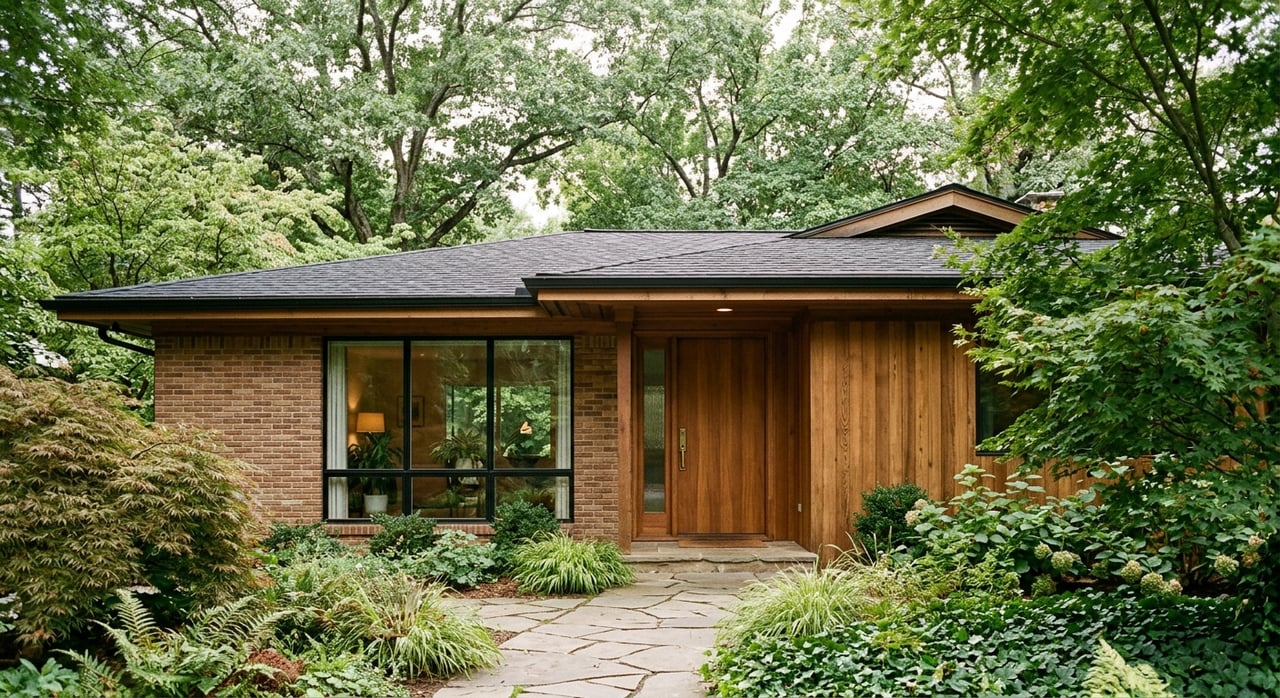
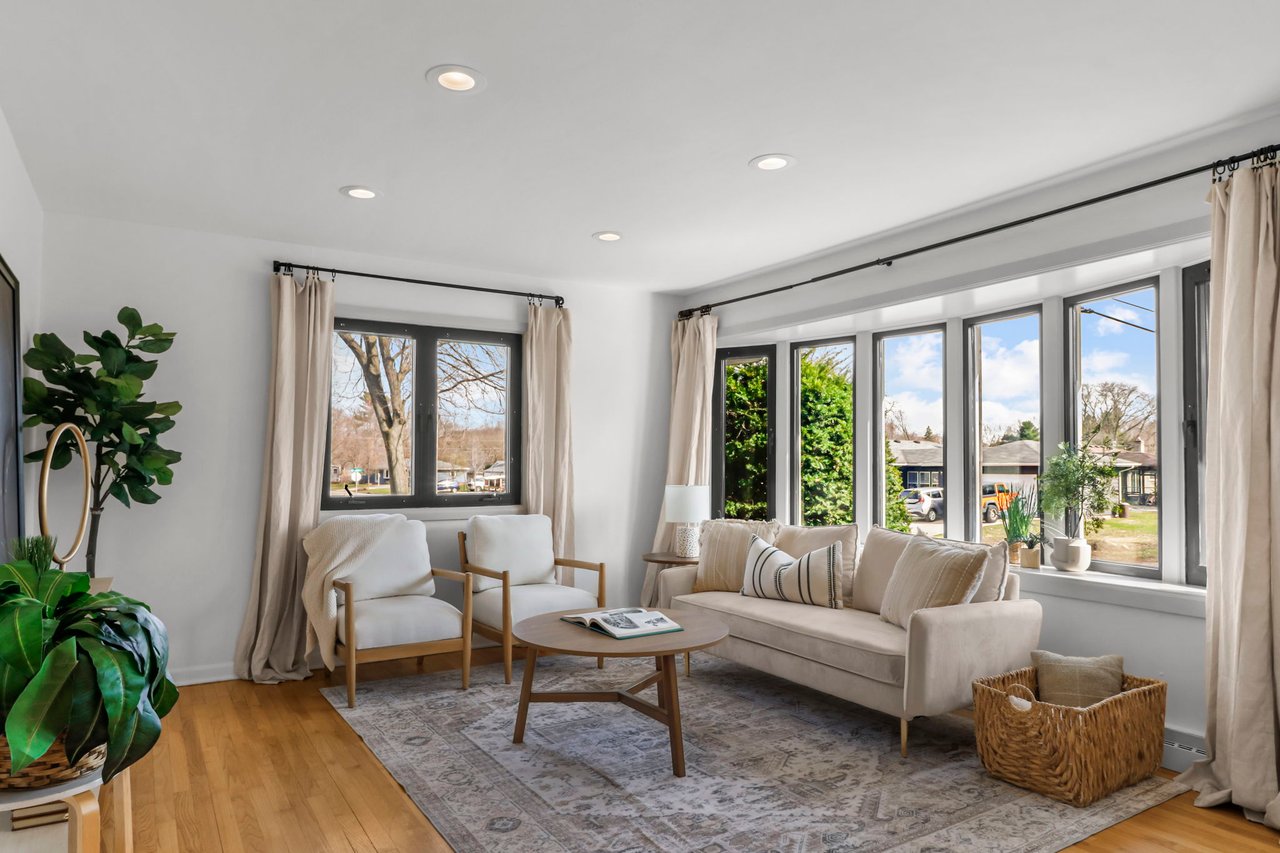
If you want more interior space, a private entry, and possibly a yard or patio, a townhome may feel more like a single-family home. You also may have more control over exterior choices, subject to the rules. Expect more owner responsibility for upkeep unless the HOA provides those services.
Winter realities
Snow removal and ice management matter in Wisconsin. Ask exactly who is responsible for sidewalks, driveways, and stoops, and when service is provided during storms. In some communities, the HOA covers it. In others, it is up to each owner.
Schools and commute
Many Middleton buyers consider school boundaries and commute time to Madison job centers. Check school assignments directly with the district and map your daily routes to ensure the location supports your routine.
Governance, rules, and your rights
Key documents to review
Request these from the seller or association before you commit:
- Declaration, bylaws, and CC&Rs to define ownership and responsibilities.
- Current budget and financial statements to understand dues and expenses.
- Reserve study and balance to gauge future capital needs.
- Board meeting minutes for the past 6–12 months to spot pending projects or disputes.
- Master insurance certificate and deductible summary.
- Rules and regulations, including rental and pet policies.
- Any project questionnaire used by lenders.
- Any pending litigation information.
Red flags to watch
- Low reserves and frequent special assessments.
- High delinquency in dues.
- Pending or recent litigation involving the association.
- Restrictive rental or pet rules that conflict with your plans.
- Unclear division of maintenance responsibilities between the owner and the HOA.
Due-diligence checklist for Middleton buyers
Use this quick list as you compare properties:
- What exactly does the HOA fee cover each month? List every item.
- How large is the reserve fund? Any special assessments in the last 5 years?
- Are capital projects planned in the next 2–3 years?
- What is the owner-occupancy ratio? Any rental caps or minimums?
- What are the pet, parking, and guest parking rules?
- Who handles snow and ice for sidewalks and driveways?
- What are the rules for renovations and exterior changes?
- Is the condo project eligible for your loan type if you plan FHA or VA?
- What are the transfer or resale certificate fees at closing?
- What are the master insurance policy limits and deductibles?
What to ask your agent before touring
- Can you confirm whether this “townhome” is fee-simple or a condo regime?
- What exterior items does the HOA maintain versus the owner?
- Are there any known assessments or large projects underway?
- Does the project’s owner-occupancy ratio meet common lender guidelines?
- How competitive is inventory in this community right now?
- Are utility costs individually metered or included in dues?
Which option fits your goals?
- You want turnkey living with minimal exterior chores and easy access to downtown amenities: consider condos with strong reserves and clear rules.
- You want more space, a private entry, and perhaps a small yard for a grill or garden: look at fee-simple townhomes with clear exterior guidelines.
- You plan to use FHA or VA financing: verify condo project eligibility early, or prioritize fee-simple townhomes that underwrite like single-family homes.
- You intend to rent the property in the future: check rental policies and owner-occupancy limits before you offer.
How Husky Homes helps
You deserve a smooth, data-informed process. Our team pairs local expertise across Madison and Middleton with a clear plan from first tour to closing. We help you:
- Pinpoint communities that match your maintenance preferences and commute.
- Decode HOA documents so you understand responsibilities, reserves, and rules.
- Coordinate with trusted local lenders on condo project reviews and approvals.
- Compare true monthly costs, including insurance coverage and dues.
- Plan value-adding updates with our design-savvy guidance after you buy.
When you are ready to weigh specific properties, we will tailor a side-by-side analysis so you can choose with confidence. If you want that level of clarity and service, reach out to Husky Homes to get started.
FAQs
What is the main difference between owning a condo vs a townhome in Wisconsin?
- In a condo you own the interior unit plus a share of common areas, while in a fee-simple townhome you typically own the entire structure and the land, subject to HOA rules.
How do HOA fees differ between Middleton condos and townhomes?
- Condo dues often cover exterior insurance and more maintenance, while townhome dues may focus on shared areas only, so always confirm inclusions line by line.
Can I use FHA or VA financing for a Middleton condo?
- Yes, if the condo project meets FHA or VA criteria; verify project eligibility with your lender early in the process.
Who handles snow removal in condo and townhome communities?
- It depends on the HOA; some handle sidewalks, drives, and stoops, while others leave certain areas to owners, so check the rules before you offer.
Are property taxes different for condos vs townhomes in Dane County?
- Both are taxed based on assessed value; owning land versus a unit interest does not change the way property taxes are assessed.