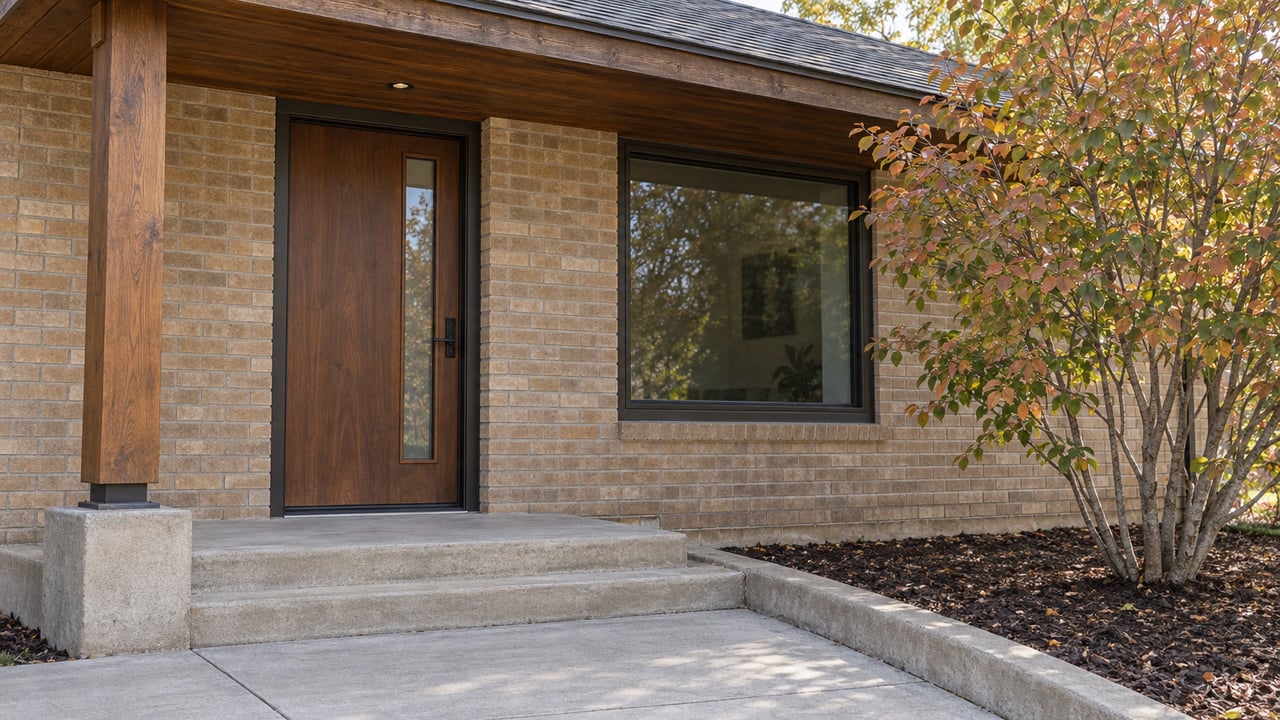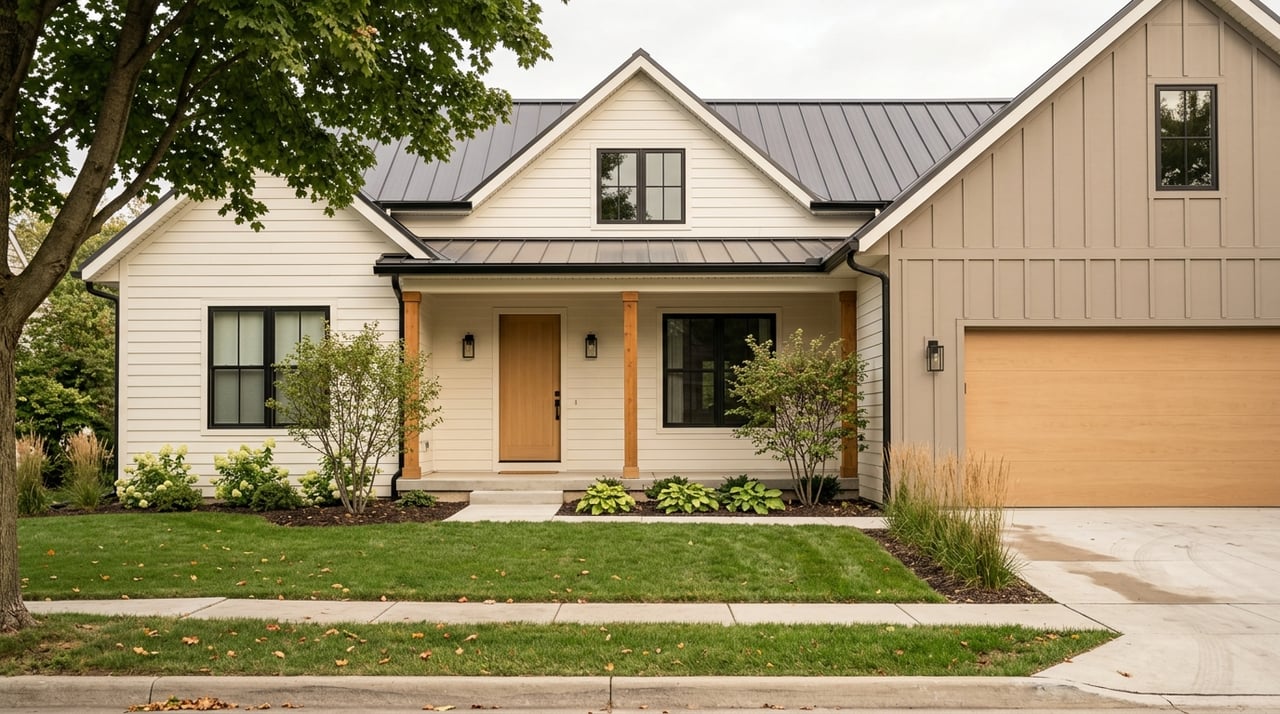
If you’re trying to decide between a brand-new home and an older street in Waunakee, the right choice is rarely just about age. It usually comes down to how you want to live day to day, how much structure you want from the neighborhood, and what kind of access matters most to you. In this guide, you’ll see how Waunakee’s new builds and established neighborhoods differ so you can compare them with more confidence. Let’s dive in.
How Waunakee housing is changing
Waunakee is still mostly a detached-home community, with the village reporting that 65% of housing units are detached single-unit structures. At the same time, the recent housing pipeline shows a more mixed picture, including 90 single-family permits, 13 duplex permits, 75 new market-rate apartment units at Woodland Crest, and 19 new lots or parcels from subdivision plats in 2025.
That matters because “new build” in Waunakee does not describe just one type of home or one kind of neighborhood. If you’re shopping here, it helps to compare the specific subdivision, street pattern, lot size, and amenities instead of assuming every newer area will feel the same.
What newer subdivisions usually offer
Many of Waunakee’s newer neighborhoods are part of planned, park-connected development. Areas highlighted in village planning documents include Heritage Hills, Westbridge Park, Kilkenny Farms West, North Ridge Estates, MeadowBrook Subdivision, Savannah Village, and Southbridge/Tierney.
In newer subdivisions, you’ll often find a more uniform look and a more predictable layout. Streets, sidewalks, utilities, and other infrastructure are planned as part of the development process, which can create a more consistent neighborhood feel from block to block.
Planned amenities and park access
One of the biggest draws of newer neighborhoods is built-in recreation. Westbridge Park includes a playground and lighted tennis courts, Kilkenny Farms Park includes playground space plus basketball, volleyball, and six pickleball courts, and Savannah Park includes lighted and paved walking trails along with a roller-hockey area.
If neighborhood amenities are high on your list, newer areas may check more boxes right away. Instead of waiting for a park system to evolve over time, you’re often buying into a community where those features were part of the original plan.
Smaller lots and compact development
Waunakee’s housing report notes that smaller lots are part of the village’s affordability strategy. It also found that subdivision plats approved after the Great Recession generally averaged near or below 0.3 acres, with more recent construction trending toward more compact homes on smaller lots.
For some buyers, that is a plus. A smaller lot can mean less yard maintenance and a layout that feels easier to manage, especially if you want newer finishes and a simpler routine.
For others, it may feel like a tradeoff. If you picture a larger yard, more spacing between homes, or room for future outdoor projects, lot size is one of the first things to compare when you tour newer Waunakee subdivisions.
Covenants and HOA considerations
Newer subdivisions in Waunakee often come with neighborhood-specific restrictive covenants or HOA rules. According to the village, these documents can affect items like setbacks, fences, outbuildings, and similar property details.
That structure can be helpful if you like clear expectations and a more standardized neighborhood appearance. But if flexibility matters to you, it is smart to review recorded covenant documents early and ask whether an HOA is active before you write an offer.
What established neighborhoods usually offer
Established parts of Waunakee are more likely to be near the historic downtown area and the older park network. The village describes downtown as newly renovated, with unique shops and restaurants, and Village Park sits on the east side of downtown.
These areas often appeal to buyers who want a more central location and a wider mix of home ages and styles. Instead of a single development timeline, you may find homes with different levels of updates, original features, or renovation potential on the same general stretch.
Closer access to downtown
If being near downtown matters to you, established streets may offer the easier fit. Village planning documents note that the historic downtown redevelopment district anticipated both shops and residential uses, and the housing analysis points to duplexes being concentrated in downtown-adjacent areas and along busier thoroughfares.
In practical terms, that can mean easier access to Waunakee’s downtown core, daily errands, and civic spaces. It may also mean a less uniform housing pattern, which some buyers see as character and others see as less predictability.
Older parks and long-established streets
The park system also feels different in older parts of the village. Centennial Park, developed in the early 1970s, is now Waunakee’s most developed and heavily used park, while Ripp Park on the far west side is the village’s largest community park.
If you’re drawn to streets that have had decades to mature, established neighborhoods may feel more rooted in the village’s history. You may give up some of the master-planned feel of a newer subdivision, but you may gain proximity to older civic amenities and a more varied streetscape.
More variety in home condition
Waunakee’s housing analysis notes that older housing stock in the central part of the village is a target for rehabilitation. That does not mean every established home needs work, but it does suggest you are more likely to see a broader range of condition, updates, and remodeling quality in these areas.
For buyers, that creates both opportunity and homework. You may find a home with more individuality or upside, but you’ll want to pay close attention to maintenance, renovation history, and inspection findings.
Key questions to ask yourself
When you compare Waunakee’s new builds and established neighborhoods, three questions can help narrow your decision.
How close do you want to be to downtown?
If you want easier access to downtown shops, restaurants, Village Park, and older civic spaces, established streets may be a better match. If your priority is a newer planned setting with neighborhood park amenities, a newer subdivision may fit better.
How much neighborhood structure do you want?
Newer subdivisions often come with more rules through covenants or HOAs. That can support a consistent look and feel, but it can also limit certain property uses or exterior changes.
Established areas may offer fewer neighborhood-wide restrictions, though each property is different. If flexibility matters, this is worth discussing early in your search.
What tradeoffs matter most to you?
A newer home may offer more modern infrastructure and a planned neighborhood layout. An established home may offer more central access, more architectural variety, or a different lot pattern.
Neither option is automatically better. The goal is to choose the setting that fits your budget, daily routine, and long-term plans.
What to expect in a competitive market
Waunakee’s housing report says the village will need 2,386 more housing units by 2040, or about 159 per year, including roughly 103 detached single-unit homes annually if the current mix holds. Combined with the village’s description of its neighborhoods as highly sought after, that points to continued competition for well-located resale homes and desirable lots in newer subdivisions.
That means preparation matters whether you are buying new construction or an existing home. The best opportunities often move fastest when they combine strong location, good condition, and the features buyers want most.
Be ready for new-build costs and process
If you are considering new construction, remember that the purchase price is only part of the picture. Waunakee’s current fee schedule lists a park impact fee of $2,826.54 for a single-family home and a community center impact fee of $937.16, plus other grading, zoning, erosion control, occupancy, and plat-related fees.
The village’s 2026 housing fee report modeled an average estimated village fee of $4,887.12 per unit in a hypothetical subdivision. The village also requires permit submittal through its online portal, and a new single-family home cannot be occupied before final inspection and an occupancy certificate are completed.
Review documents before you offer
Because Waunakee does not keep a homeowners association registry, buyers should review recorded subdivision documents carefully. If you are looking at a newer neighborhood, ask whether an HOA is active and what rules may affect your plans for fencing, setbacks, or outbuildings.
For established homes, a thorough inspection is especially important when condition and renovation history vary more from property to property. A careful review upfront can help you understand the true fit of the home, not just the first impression.
Confirm address-based details early
If you are relocating within the area or moving to Waunakee from outside the region, it helps to confirm location-specific details before settling on a street. The Waunakee Community School District places students by residence address, so attendance boundaries should be checked based on the home you are considering.
That kind of address-level research is useful whether you are comparing a lot in a new subdivision or a resale home near downtown. Small location differences can shape your daily routine more than you expect.
Which option fits your goals?
If you want planned streets, newer infrastructure, neighborhood parks, and a more standardized community feel, Waunakee’s newer subdivisions may be the stronger fit. If you want proximity to downtown, access to older parks, and a wider mix of home ages and renovation potential, established neighborhoods may offer more of what you are after.
The best choice usually comes from seeing the tradeoffs clearly, not chasing a label. With the right local guidance, you can compare lot size, covenants, location, and condition in a way that makes your next move feel much more straightforward.
If you’re weighing newer construction against established streets in Waunakee, Husky Homes can help you compare neighborhoods, evaluate the tradeoffs, and move forward with a clear plan.
FAQs
What is the main difference between new builds and established neighborhoods in Waunakee?
- Newer subdivisions in Waunakee are generally more planned, park-connected, and covenant-driven, while established neighborhoods are more likely to offer closer access to downtown, older parks, and a wider range of home ages and conditions.
Are newer Waunakee neighborhoods only single-family homes?
- No. Waunakee’s recent housing pipeline includes detached single-family homes, duplexes, and some multifamily additions, so it is important to compare each project rather than rely on the “new build” label alone.
Do Waunakee new builds usually have HOA rules or restrictive covenants?
- Many newer subdivisions have restrictive covenants or HOA-related rules that can affect fences, setbacks, outbuildings, and other property details, so buyers should review recorded documents before making an offer.
Are established Waunakee neighborhoods closer to downtown?
- Established areas are more likely to cluster around historic downtown and Village Park, which can make them a better fit if you want more central access to shops, restaurants, and civic spaces.
What extra costs should buyers expect with new construction in Waunakee?
- New construction may include village-related costs such as park impact fees, community center impact fees, and other grading, zoning, erosion control, occupancy, and plat-related fees, in addition to the purchase price.
How competitive is the Waunakee housing market for buyers?
- Village planning documents suggest ongoing competition, especially for well-located resale homes and desirable lots in newer subdivisions, because Waunakee is highly sought after and will need significant housing growth through 2040.