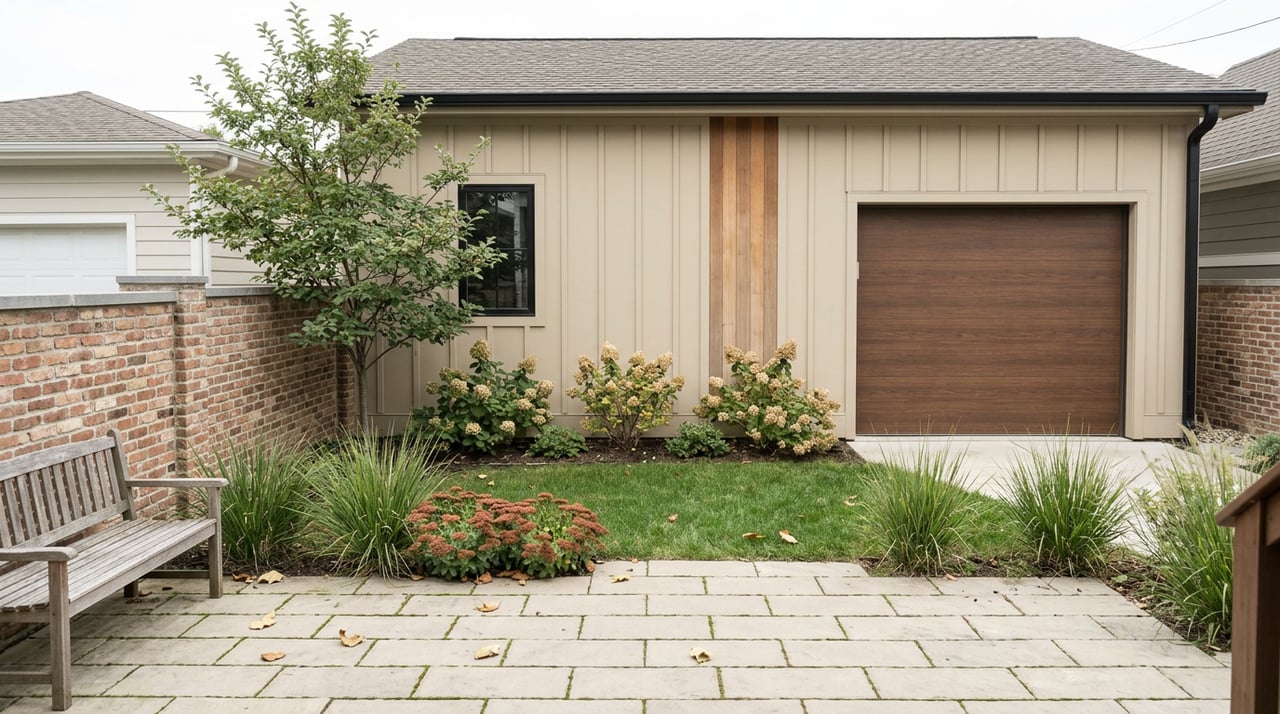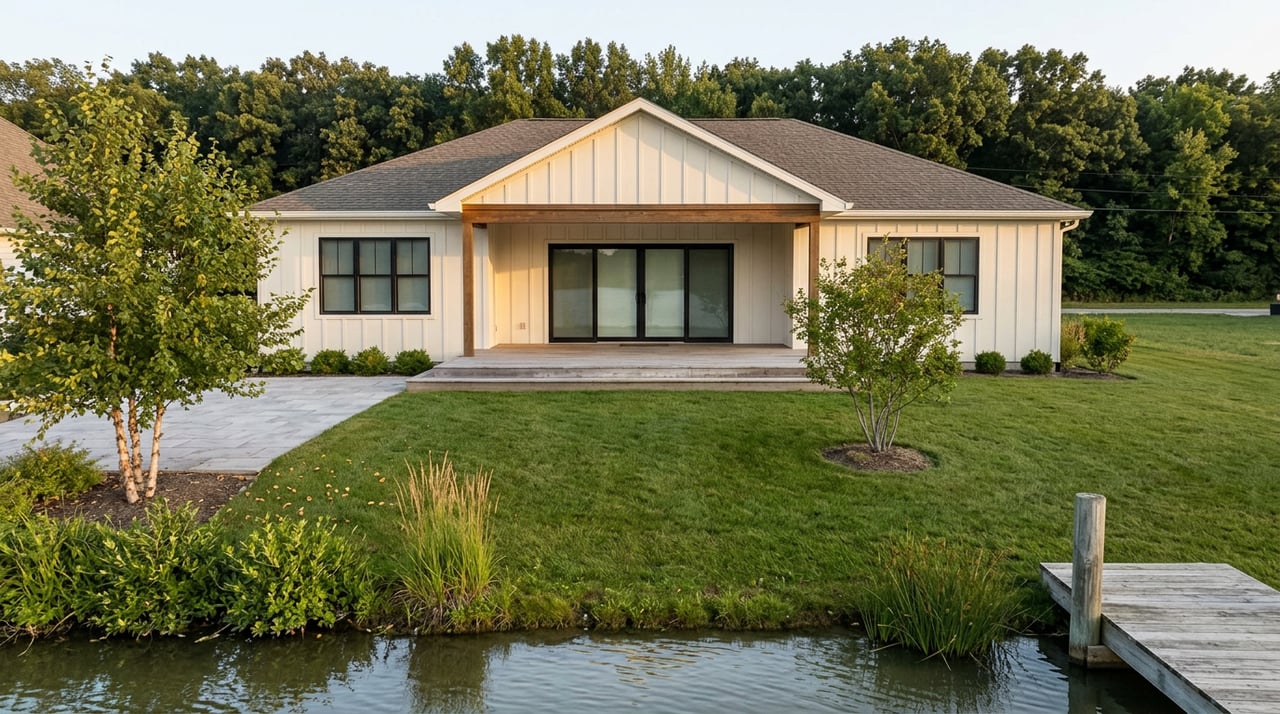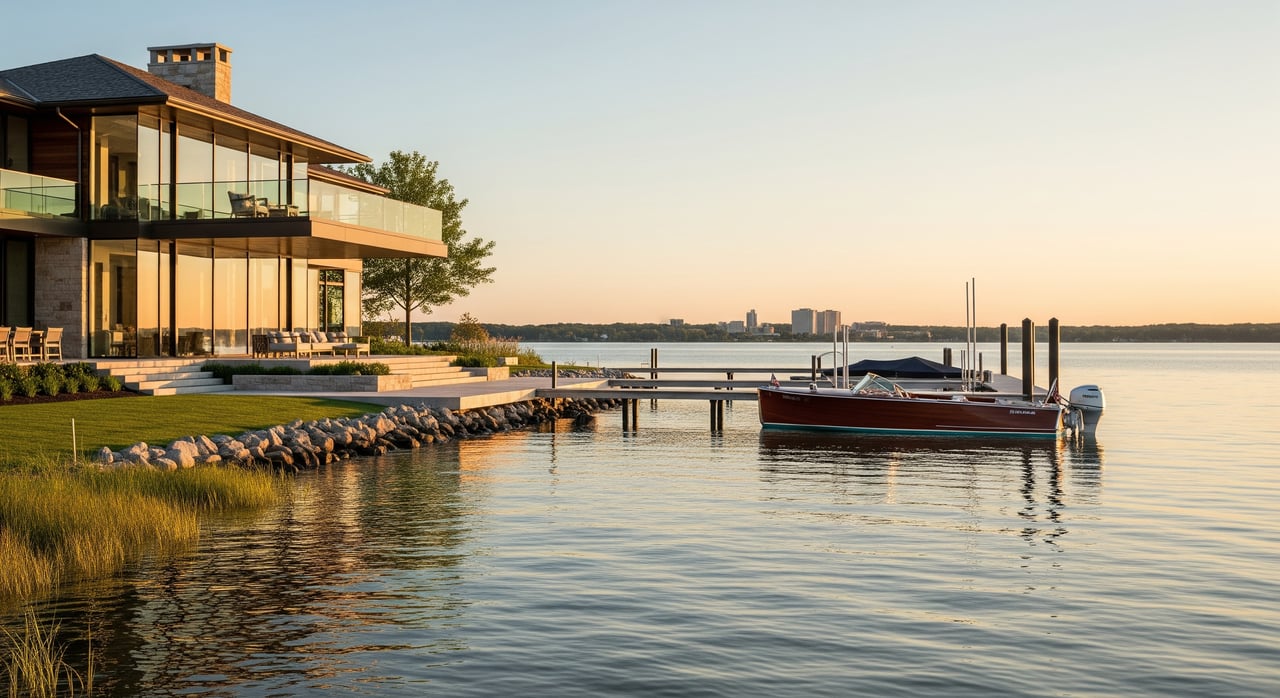
Sunrise on Lake Monona is hard to beat. If you are thinking about buying in the City of Monona, you probably picture coffee on the pier, quick trips into downtown Madison, and weekends on the water. Waterfront living also comes with different rules, inspections, and costs than an inland home. This guide gives you a clear plan for what to check, who to call, and how to buy with confidence in Monona. Let’s dive in.
Why buy on Lake Monona in Monona
You get lake access with a short commute to Madison jobs, restaurants, and culture. Monona sits along Lake Monona with a mix of year-round and seasonal homes, parks, and trails. The Monona Grove School District serves the city. Many buyers choose Monona for boating, fishing, and a neighborhood feel close to the city center.
What drives waterfront value
Waterfront homes usually carry a premium compared with similar inland properties. Price can vary based on:
- View, water depth, and orientation
- Dock, pier, or boathouse features
- Lot size and shoreline type
- Condition of seawalls or riprap
- Overall market conditions and limited inventory
Inventory for true shoreline lots can be tight. Expect competition in strong markets and plan for different financing and inspection needs than a typical suburban purchase.
Know your rights and access
Riparian rights and shared access
Waterfront owners have riparian rights that guide reasonable use of the water adjacent to their parcel, including dock placement and access. These rights depend on your deed and local rules. If access is shared, make sure any shared docks or community shoreline are documented through recorded easements or HOA covenants. Confirm maintenance duties in writing before you buy.
Title, surveys, and easements
Ask for a recent survey and a copy of the deed. Look for recorded easements that set dock locations or allow others to cross the property for lake access. Verify any utility easements near the shoreline. Clear documentation now prevents disputes later.
Permits, zoning, and setbacks
Who regulates the shoreline
Several authorities can regulate docks, boathouses, seawalls, riprap, and work near the shore:
- City of Monona for building permits, zoning, and local ordinances
- Dane County for shoreland zoning and erosion control
- Wisconsin Department of Natural Resources for projects waterward of the Ordinary High Water Mark, work in navigable waters, and aquatic plant management
- FEMA and the National Flood Insurance Program for floodplain mapping and insurance requirements
- U.S. Army Corps of Engineers for larger projects that affect wetlands or navigable waters
Before planning any shoreline work, confirm the rules with each agency that applies to your parcel.
Shoreland zoning and OHWM
Shoreland zoning sets standards for setbacks, lot coverage, and impervious surfaces. The Ordinary High Water Mark helps define where certain permits are required. Requirements can vary by location in the city and county. Check local maps and code to understand what is allowed before you make changes or file permits.
Short-term rentals and occupancy
If you want to rent your place, verify Monona’s short-term rental rules and any licensing that may apply. Understand any HOA or neighborhood covenants that limit rentals or set occupancy guidelines.
Environmental and seasonal realities
Water quality and advisories
Lake Monona can experience algae blooms, including harmful cyanobacteria, and invasive aquatic plants. Water-quality monitoring and beach advisories are posted by local health agencies or the state. If swimming and paddling are priorities, check recent reports and talk with neighbors about seasonal patterns.
Flooding, wake, and ice
High-water events, storms, and boat wake can cause shoreline erosion. In winter, ice and frost heaves may stress docks and seawalls. Review floodplain maps and note that some properties outside mapped flood zones can still face local lake-related risks.
Invasive species and boating practices
Follow Aquatic Invasive Species best practices. Inspect, clean, and dry boats, and remove vegetation before launching. Many local programs promote these steps to protect the lake and reduce maintenance over time.
Vegetative buffers and native plantings
Shoreline buffers and native landscaping help stabilize soil and protect water quality. Some communities encourage or require vegetated buffers. Ask about local guidance before regrading or replacing shoreline plants.
Maintenance and ongoing costs
Waterfront ownership includes upkeep you will not see on most inland homes. Plan for:
- Annual dock and pier service, with seasonal installation and removal
- Seawall, riprap, and shoreline stabilization inspections and repairs
- Deck, foundation, and erosion checks near the shore
- Septic inspections if the property is not on municipal sewer
- Landscaping and stormwater management to control runoff
You will also see cost categories such as insurance premiums, permits and design for major shoreline work, and periodic shoreline repairs. Costs vary widely by parcel and condition.
Inspections you should not skip
Add specialized reviews to your standard home inspection.
- Dock, pier, boathouse, and seawall inspection by a waterfront contractor
- Shoreline erosion assessment
- Septic inspection if the home is not on municipal sewer
- Flood, elevation, and drainage review if you see erosion or siting concerns
- Environmental checks for mold or past water intrusion
- Utility verification for municipal sewer and water connections
Ask the seller for a history of shoreline work, past permits, and any letters from city, county, or state agencies.
Financing and insurance
Waterfront homes are not automatically harder to finance, but lenders usually review flood risk and may require extra documentation. Insurance can differ from inland homes:
- Flood insurance may be required by lenders if your parcel falls within a mapped FEMA flood zone
- Homeowners policies can treat docks, boathouses, and water-related damage differently, so confirm coverage
- Consider an umbrella policy if you plan to host guests who use your dock or boat
Get quotes early and share them with your lender so you understand total monthly costs.
Your pre-offer checklist
Use this list to move fast and reduce surprises.
- Pull current comparable sales for Lake Monona shoreline and near-lake properties
- Request the survey, deed, and all recorded easements or covenants
- Ask for a shoreline work history, permits, and any agency correspondence
- Confirm municipal sewer and water, or plan for a septic inspection
- Review local code for docks, boathouses, vegetation, and short-term rentals
- Check FEMA flood maps and any local floodplain designations for the parcel
Smart contingencies to include
A strong offer protects your interests without stalling the deal.
- Home inspection plus specialty waterfront inspections
- Document review contingency for permits, survey, title, and easements
- Financing contingency that accounts for flood insurance or waterfront underwriting requirements
Due diligence during the contract period
Once under contract, confirm details directly with the right offices.
- Contact the City of Monona for permitted structures, any open permits, and shoreline rules
- Confirm shoreland zoning with Dane County
- Ask the Wisconsin DNR what work would require permits and how the OHWM affects your plans
- Get quotes for dock work, seawall repairs, and landscaping from local waterfront contractors
Keep an organized file of all findings so you can plan future projects and maintenance.
After you close: set up for success
- Register with local aquatic invasive species programs and follow boat cleaning protocols
- Keep records of any permitted shoreline work and schedule routine inspections
- Calendar seasonal tasks for dock service, erosion checks, and insurance renewals
How Husky Homes helps you buy smart
Buying on Lake Monona is part lifestyle and part logistics. You deserve a team that handles both. Husky Homes pairs deep Madison-area knowledge with a vetted vendor network so you can line up the right inspections fast. You get clear guidance on shoreland rules, permit history, and insurance needs, plus a steady hand on pricing and offer strategy in a tight waterfront market. If you plan improvements after closing, our design-forward perspective and contractor introductions help you prioritize the right projects for value and enjoyment.
Ready to take the next step on Lake Monona? Connect with Husky Homes for a focused search and a smooth path to the pier.
FAQs
Do I need a permit for a dock or seawall on Lake Monona?
- Often yes. Expect local City of Monona review, county shoreland rules, and Wisconsin DNR requirements for work near or waterward of the Ordinary High Water Mark.
Will I need flood insurance for a Monona waterfront home?
- It depends on FEMA flood maps and lender standards. Even if not required, consider coverage for lake-related risks like storms, waves, or ice.
Are Lake Monona homes harder to finance than inland homes?
- Not by default. Lenders review flood risk, insurance, and condition of shoreline structures. Be ready to provide documentation.
What inspections are essential for a Lake Monona property?
- In addition to a home inspection, schedule dock, pier, and seawall reviews, a shoreline erosion assessment, septic testing if applicable, and a drainage or elevation check.
Can I expand a dock or build a boathouse in Monona?
- Possibly. Expansions typically require permits and must meet city, county, and Wisconsin DNR standards, including setbacks and size limits.
Can I use a Monona lake home as a short-term rental?
- Maybe. Check Monona’s current ordinances and any HOA rules for licensing, limits, or occupancy standards before you plan to rent.